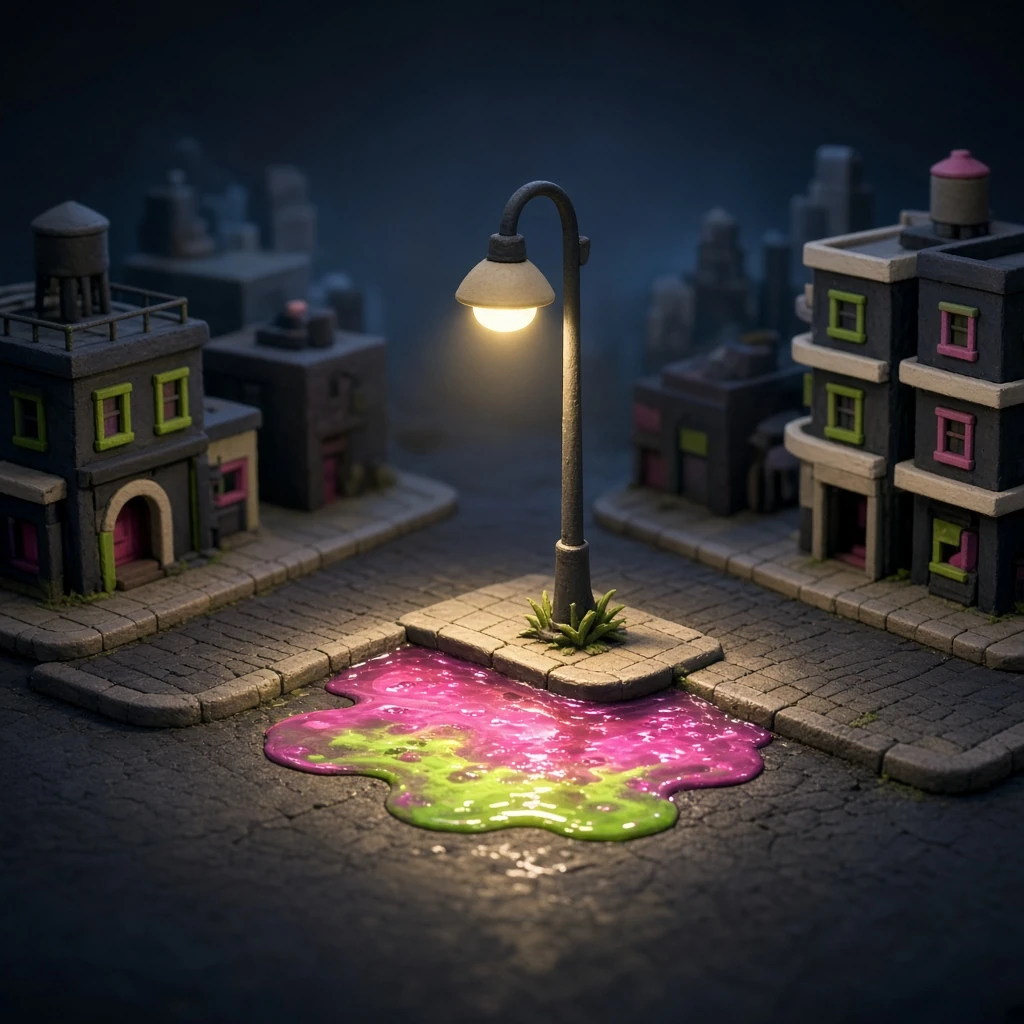
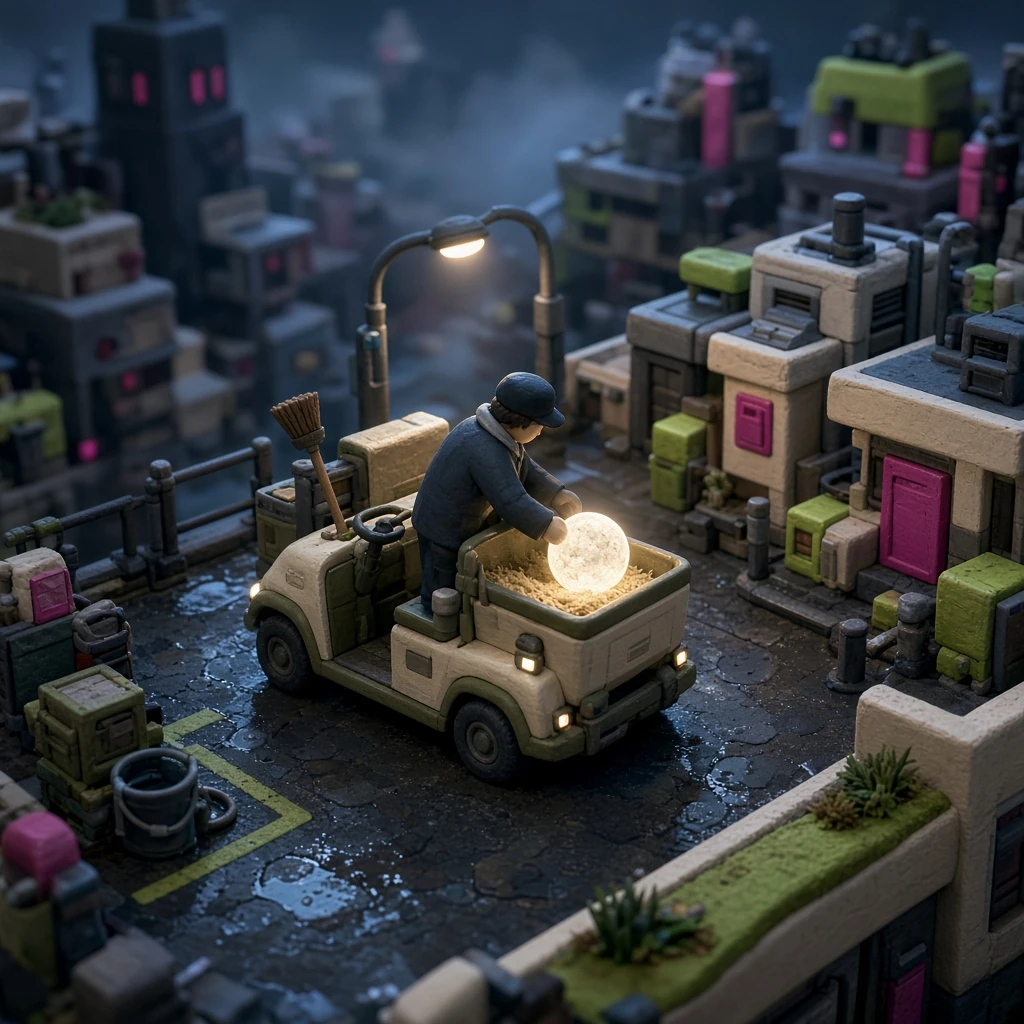
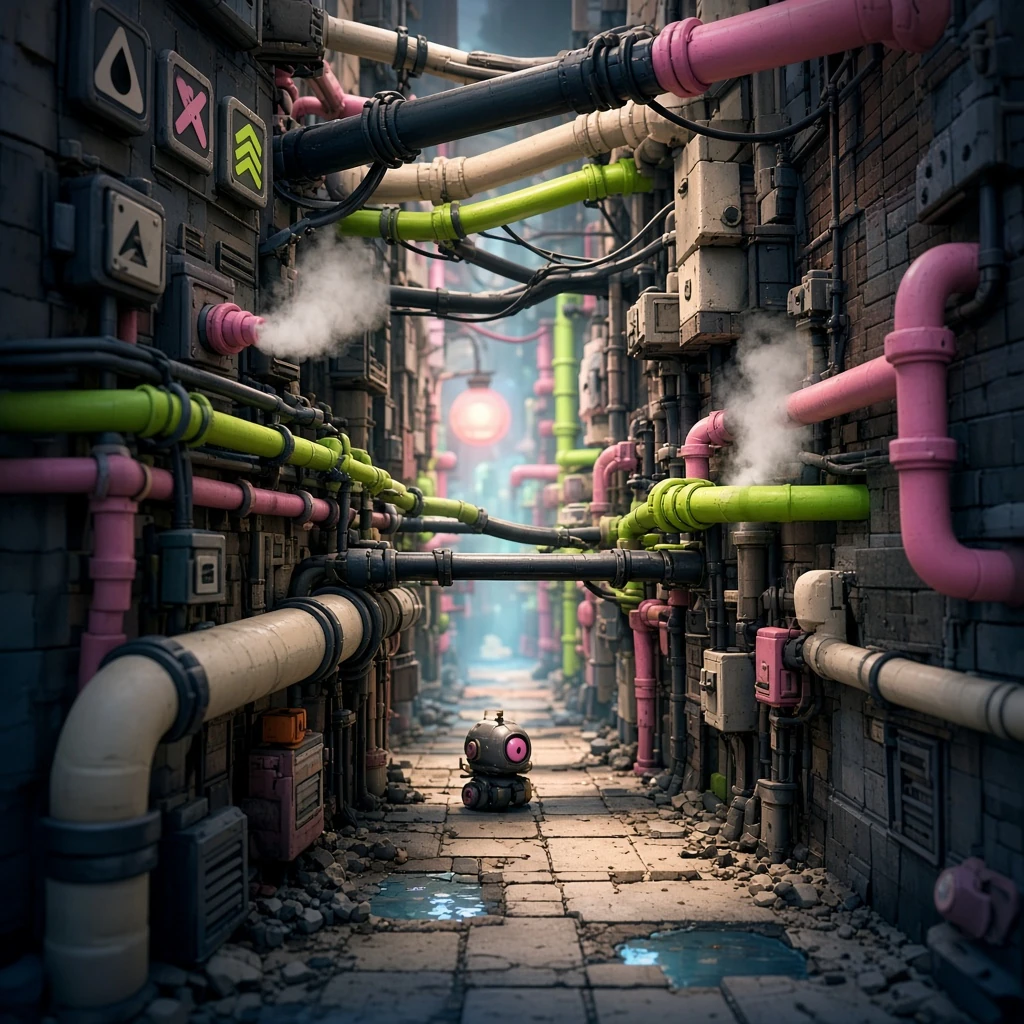
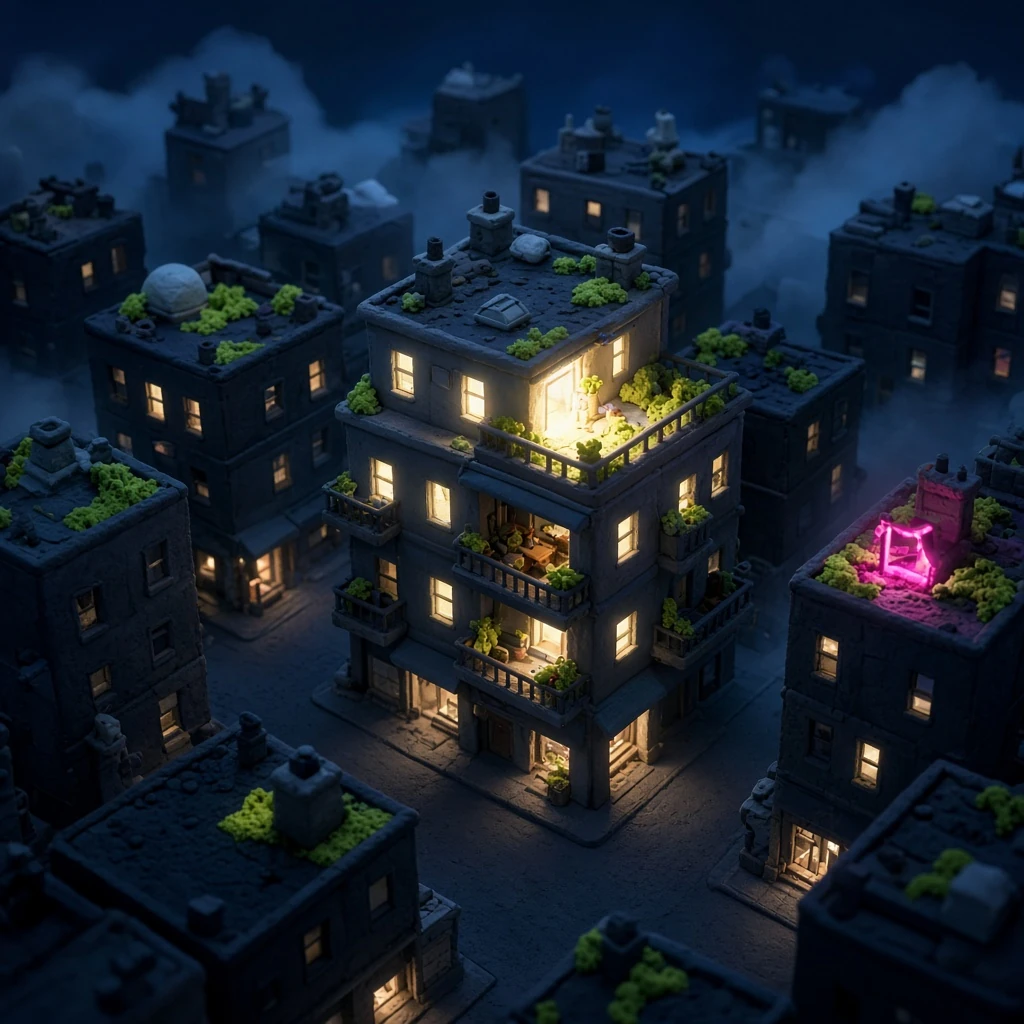
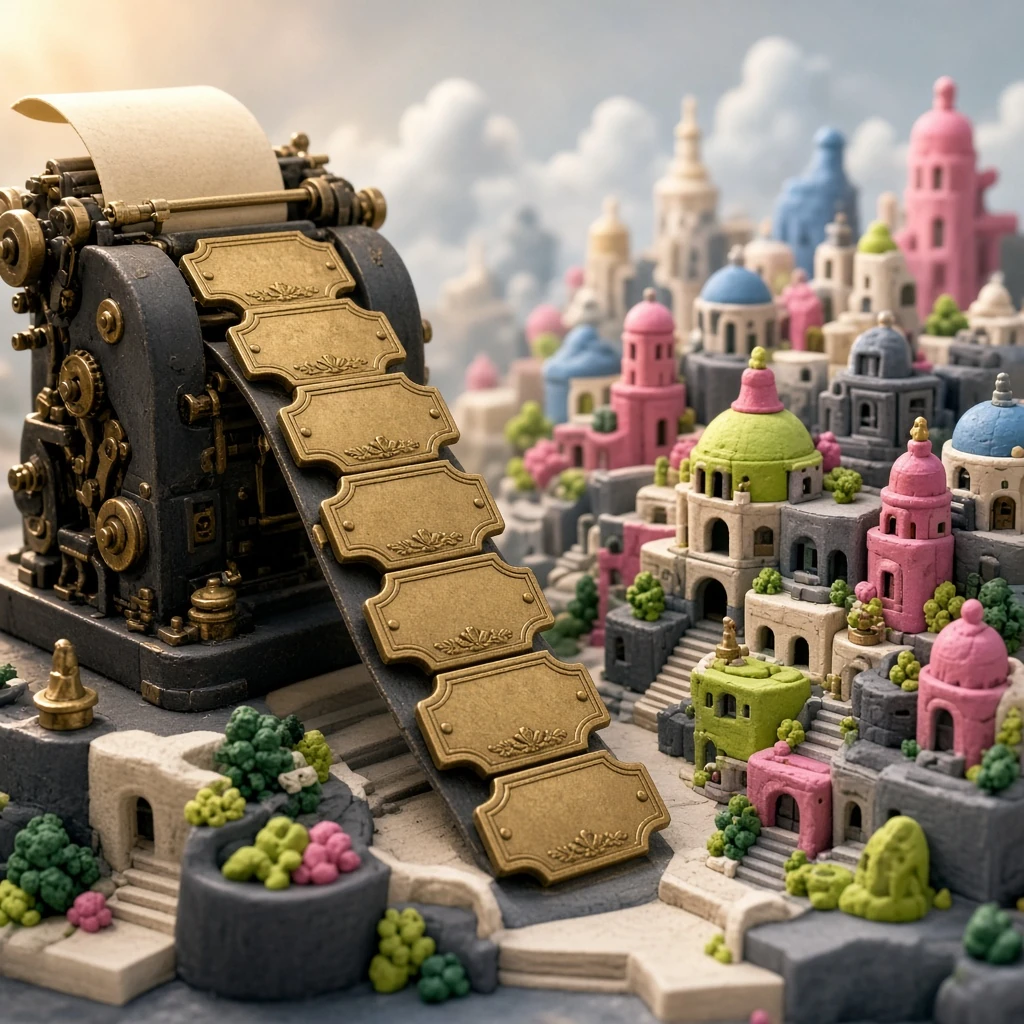
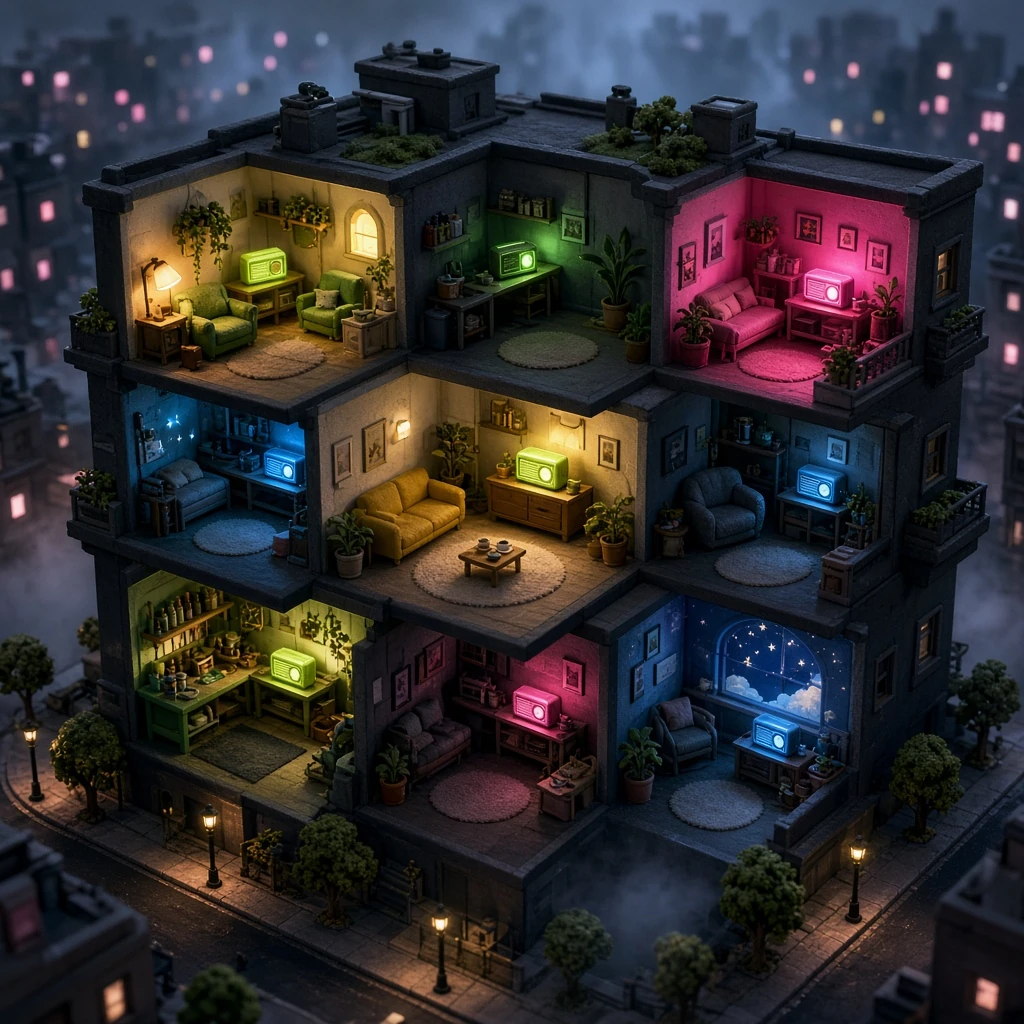
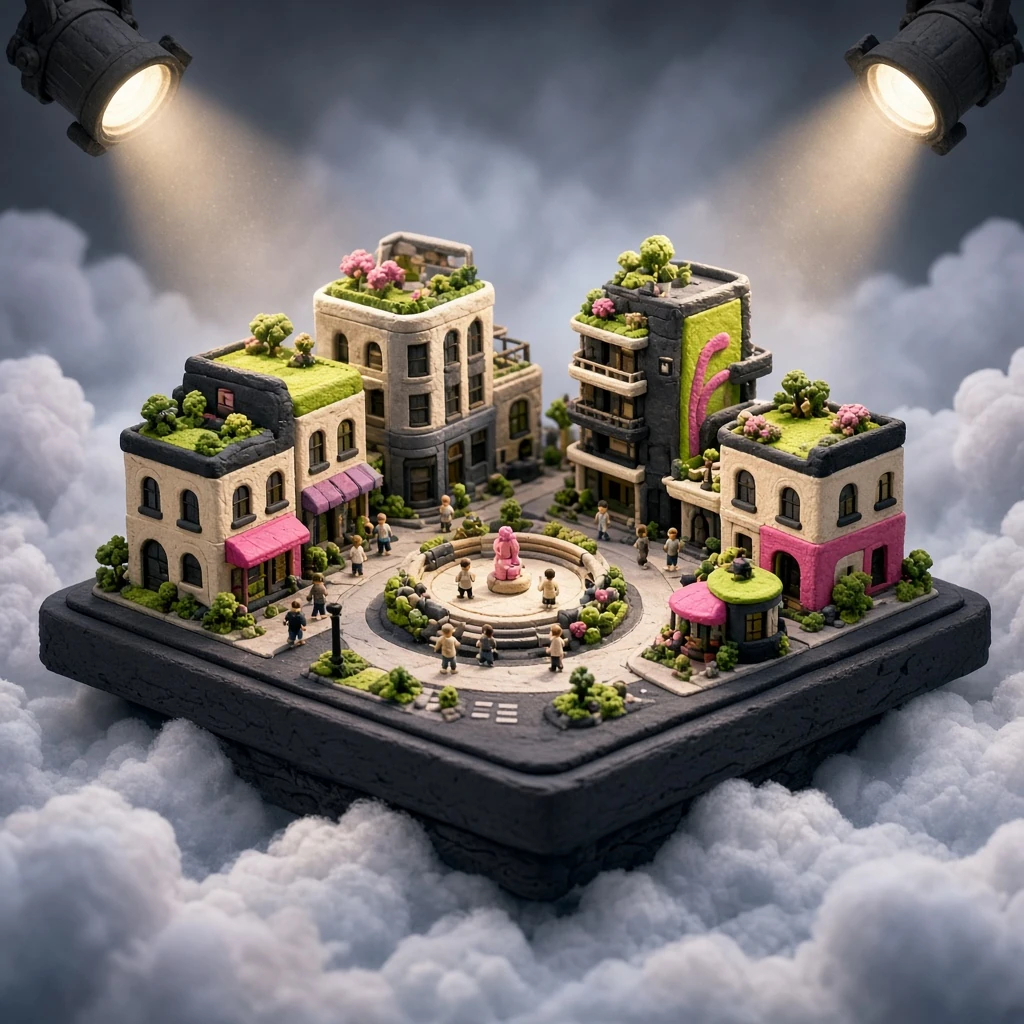
The first completed corner in SLOP CITY™ was a wet square of pavement, one streetlamp, and a puddle that reflected the lamp upside down with such confidence that the team briefly treated it as the senior building on the block.
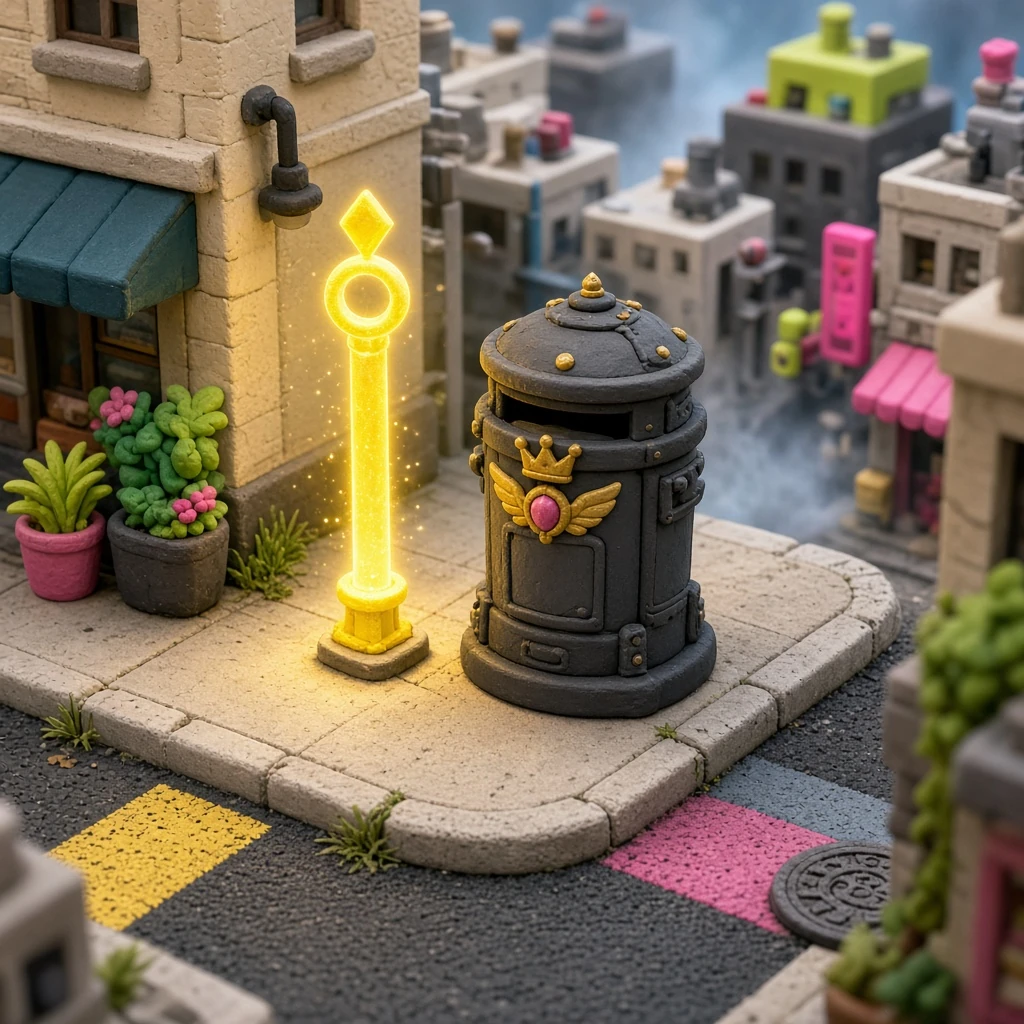
The earliest job in the city asked a player to stand near a rubbish bin while a proximity trigger did the administrative work. The bin immediately attracted three pages of lore, a grievance procedure, and an unconvincing résumé claiming it had once been a fountain.
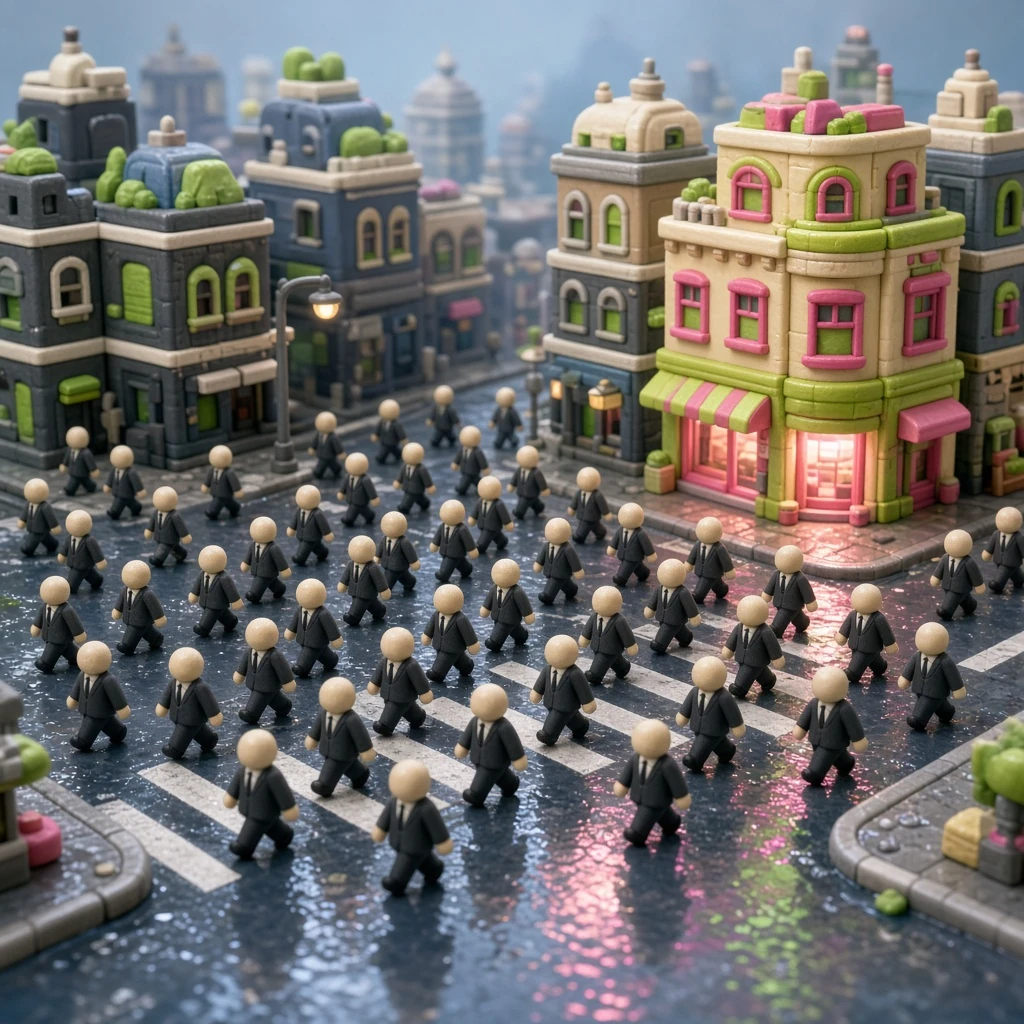
For forty damp minutes, every citizen in the city wore the same suit, had the same surname, and walked with the same mildly suspicious purpose. The population system had selected one careful Smith and promoted him, against his wishes, into a workforce.
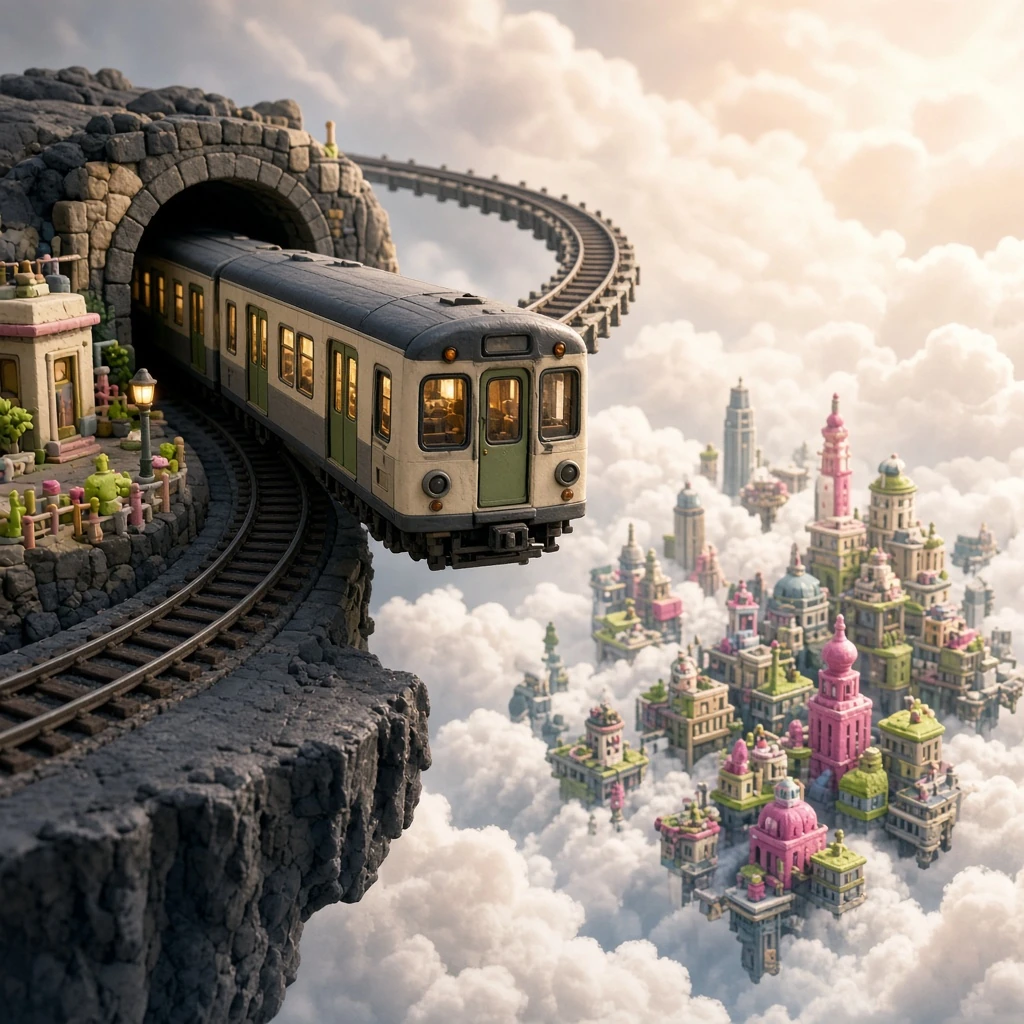
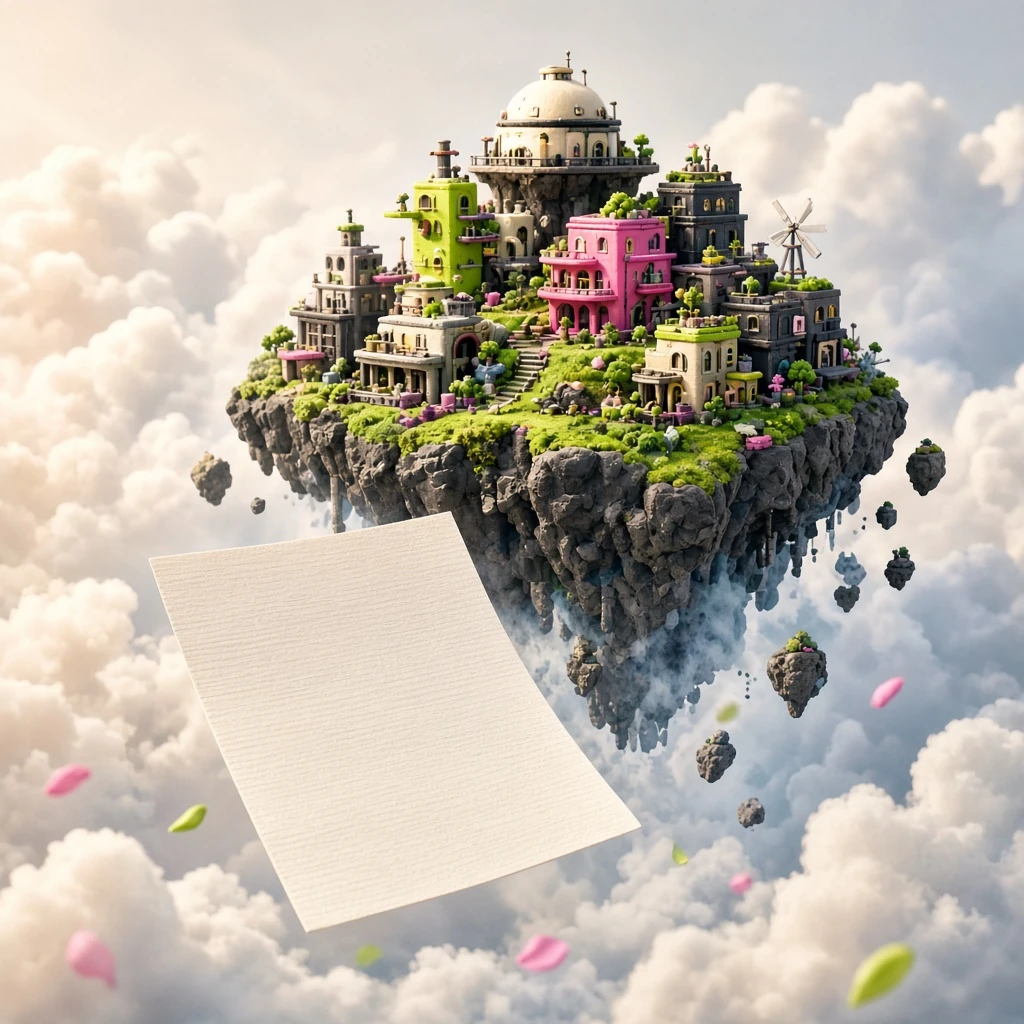
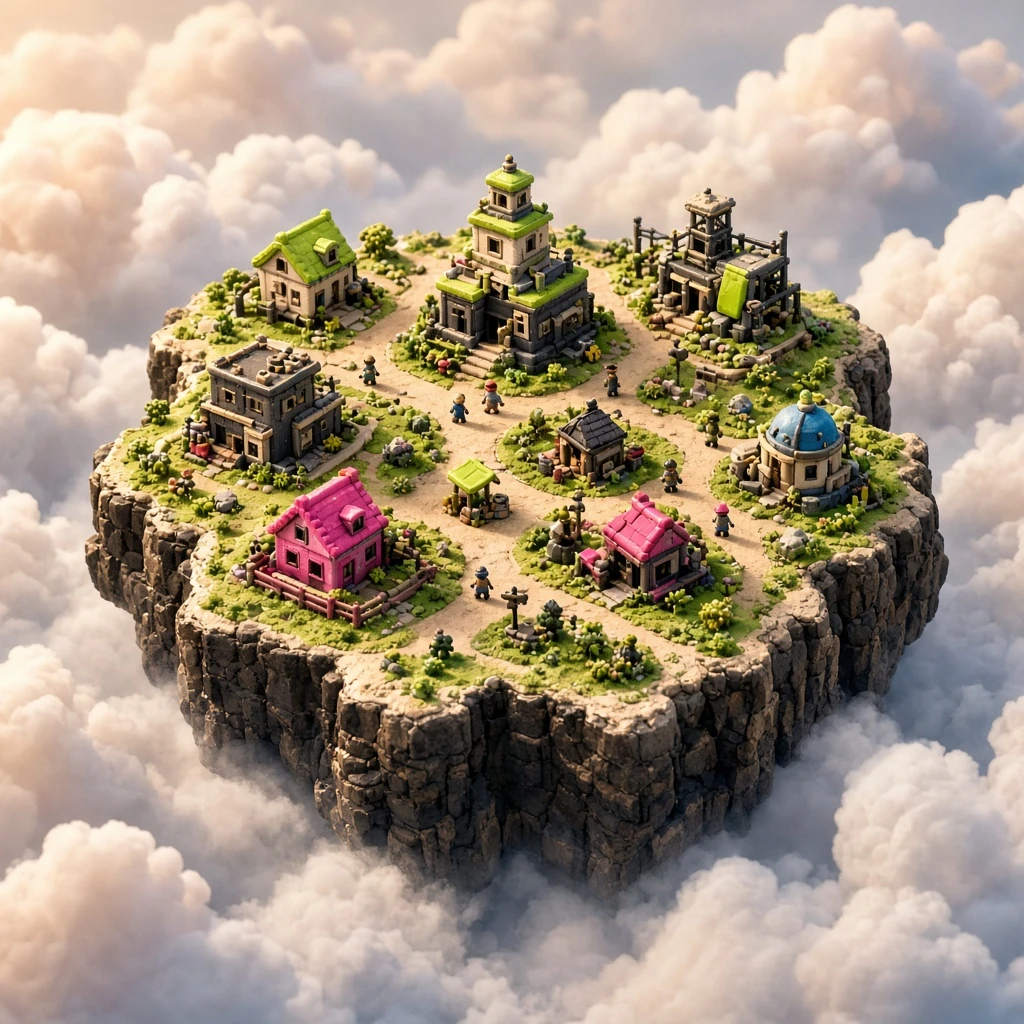
A tunnel-culling mistake sent one subway car out of the city and into the clouds. It emerged above the rooftops so gracefully that passengers forgot to complain until the fare inspector asked whether Zone Four included weather.
A polish effect shed collectible sparkles because its cleanup event had the wrong name. Before lunch, one determined tester had accumulated enough dust to purchase six nonexistent radios, an uncollidable chair, and influence over a market no economist had agreed to recognize.
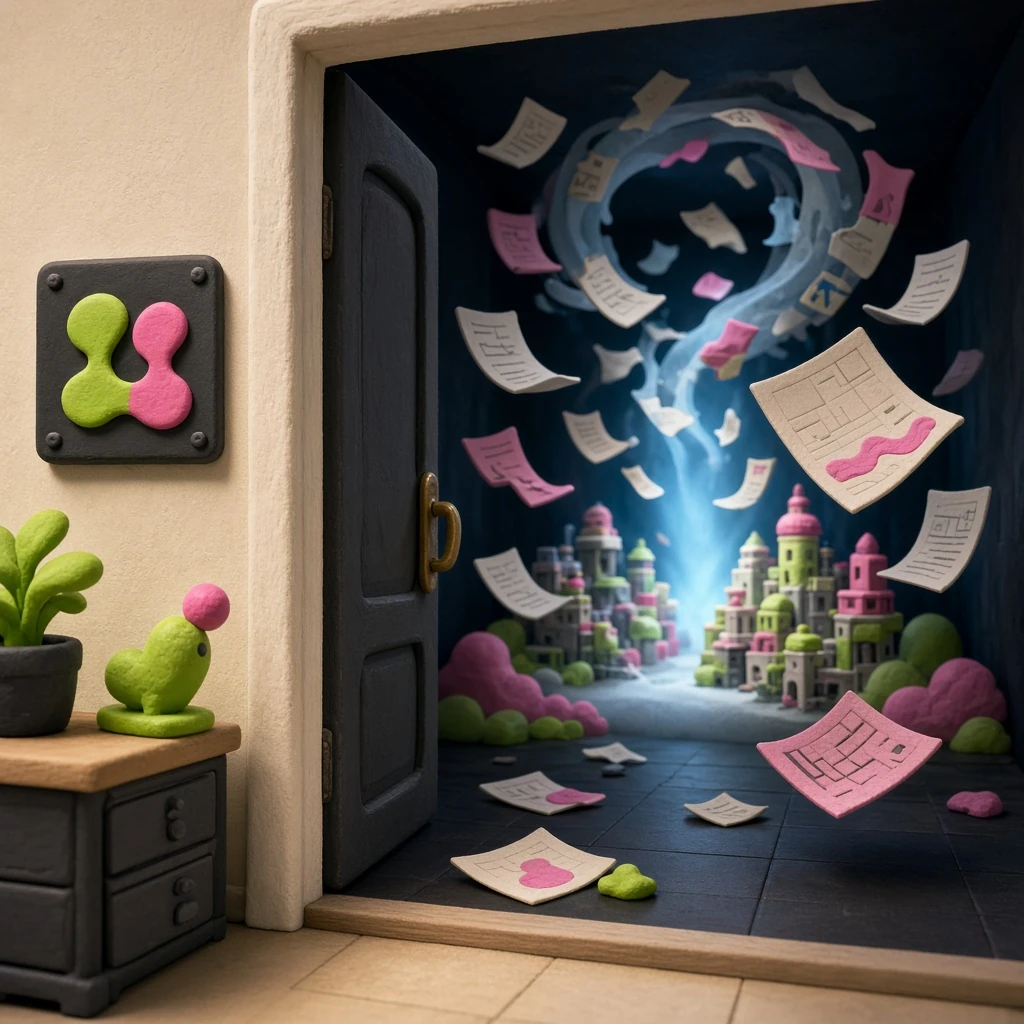
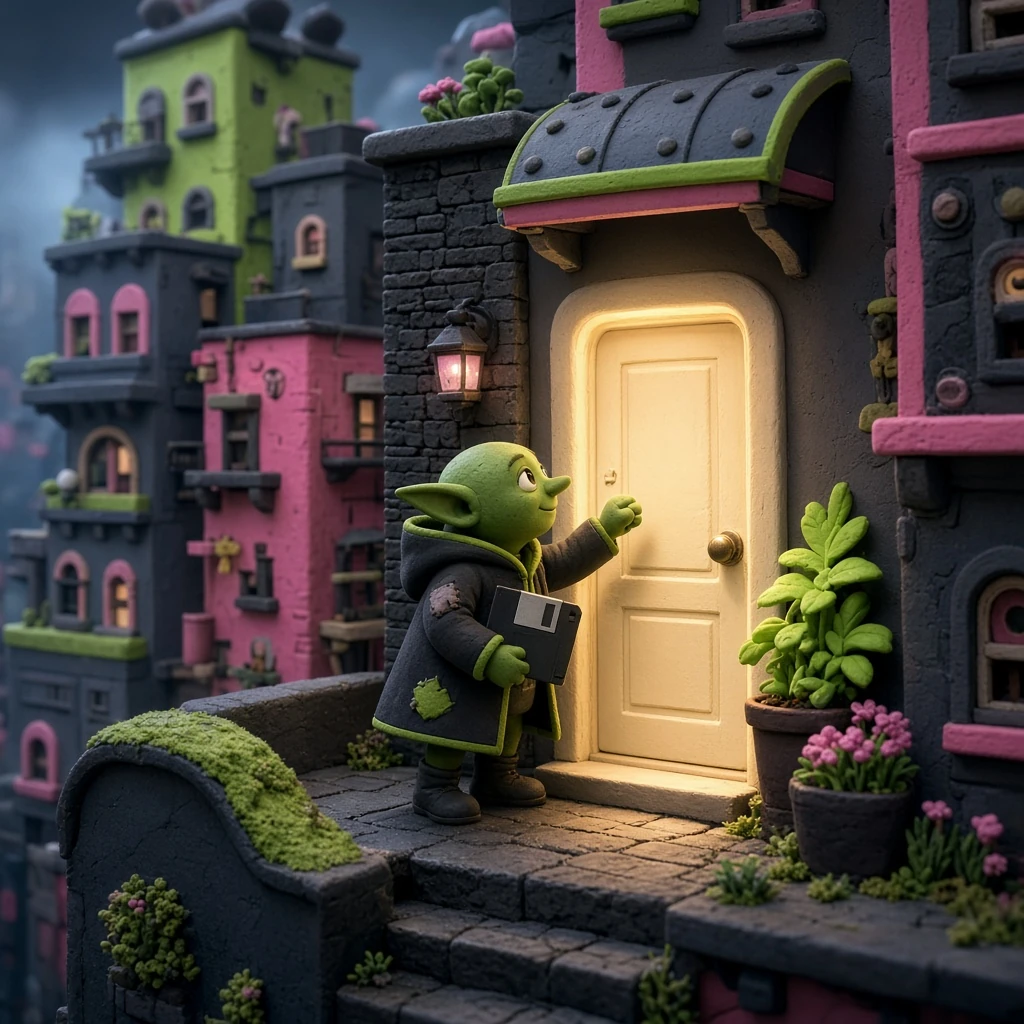
One interior doorway opened onto the team planning board instead of the room behind it. Staff could cross a hall, touch a handle, and find themselves knee-deep in unfinished tasks, floating columns, and an alarming number of cells marked pending.
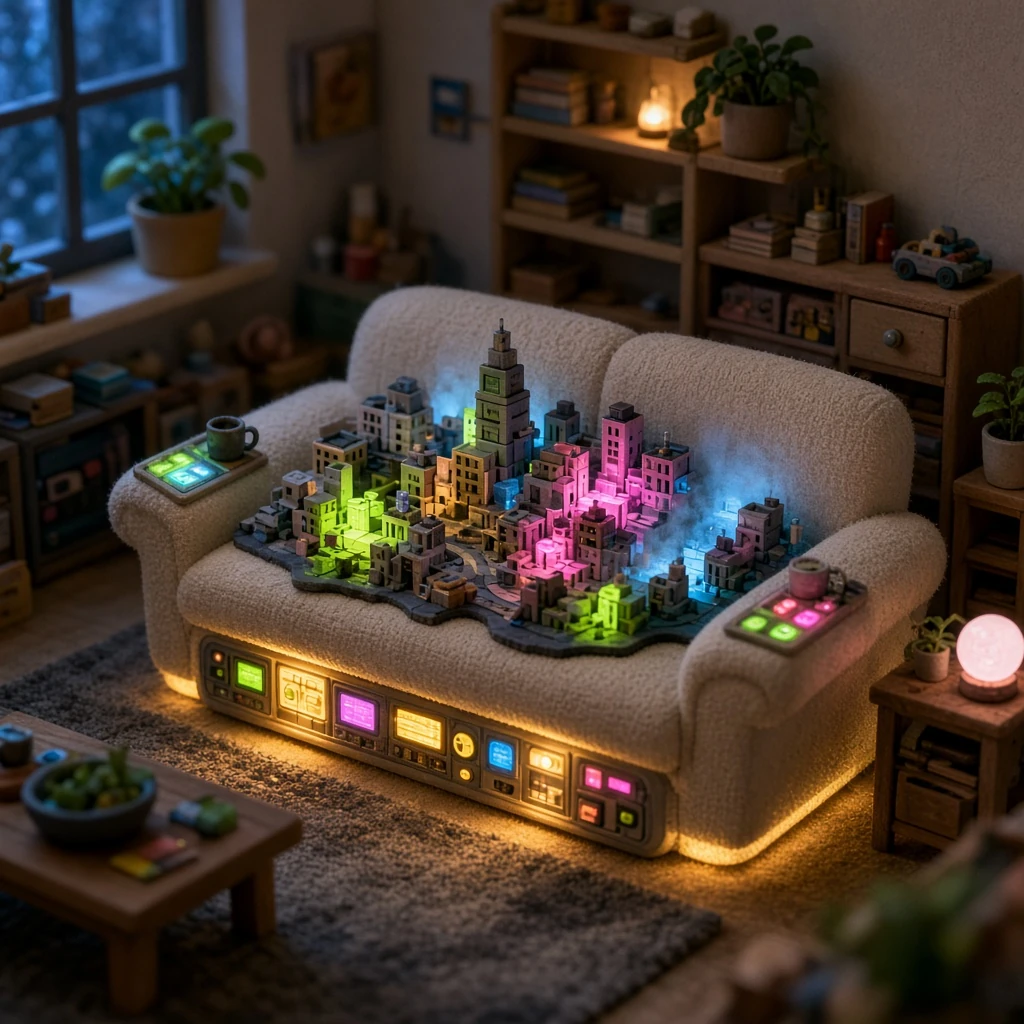
The respawn couch initially restored location, health, time of day, the nearest television channel, and one randomly selected piece of furniture. Players returned from a fall refreshed, oriented, and occasionally confronted by a kitchen table parked in the hallway.
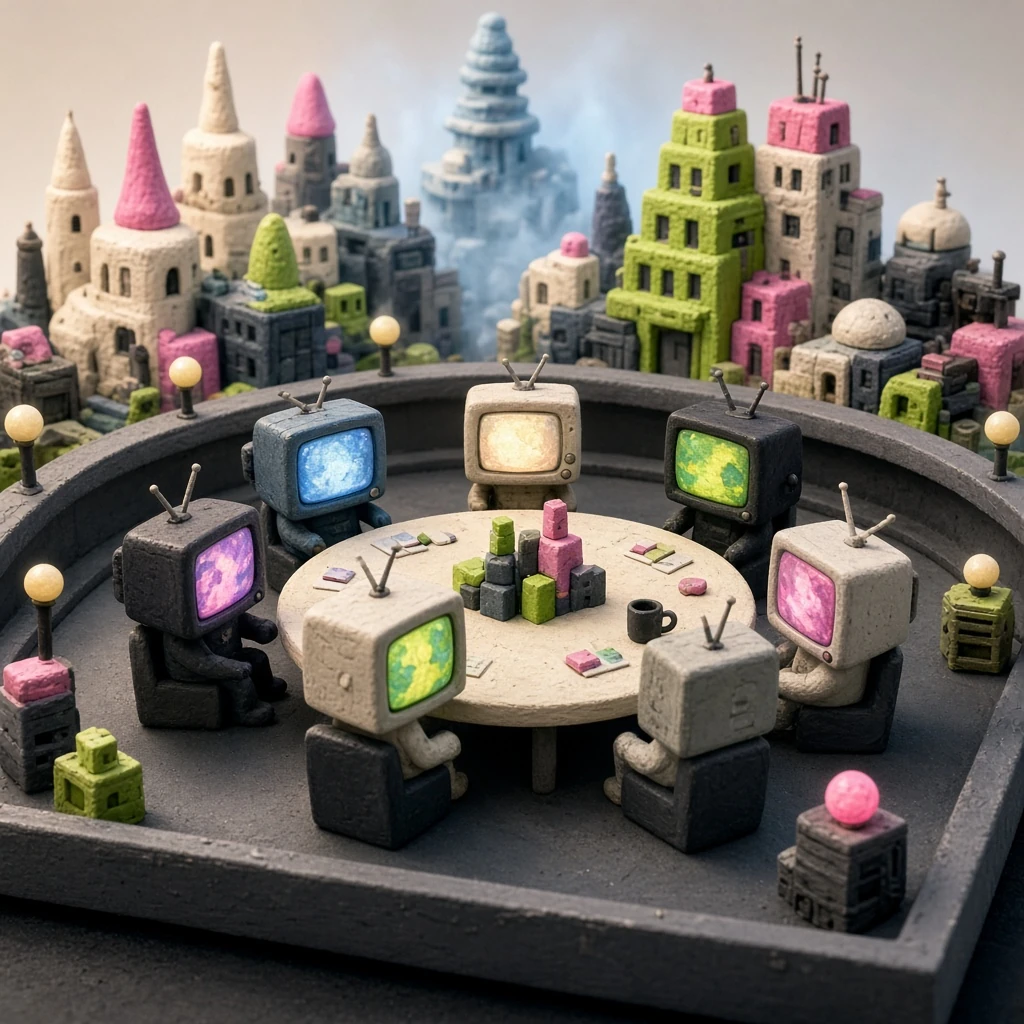
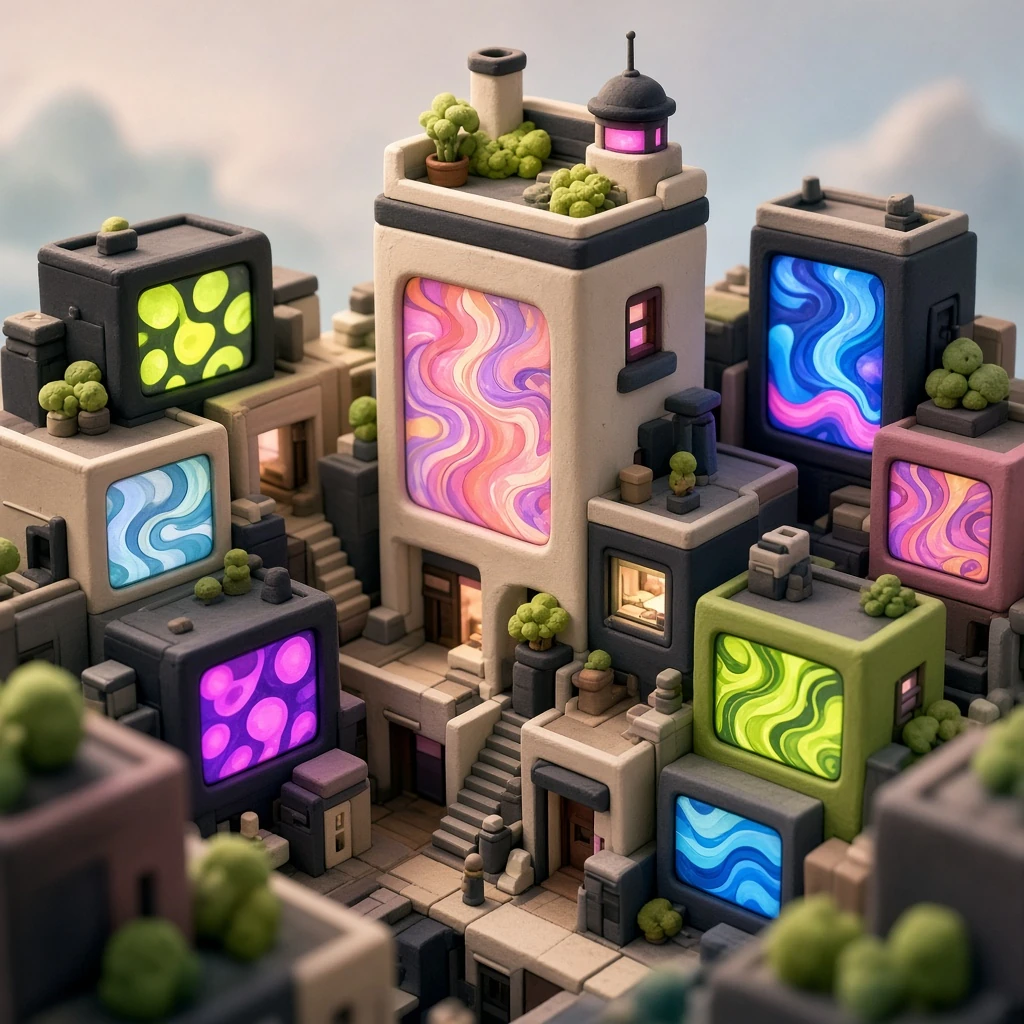
Thirty televisions on one block selected incompatible frame rates, volumes, and positions on jazz at once. The street sounded like a microwave caucus held inside a washing machine, and the televisions appeared to believe they had been elected.
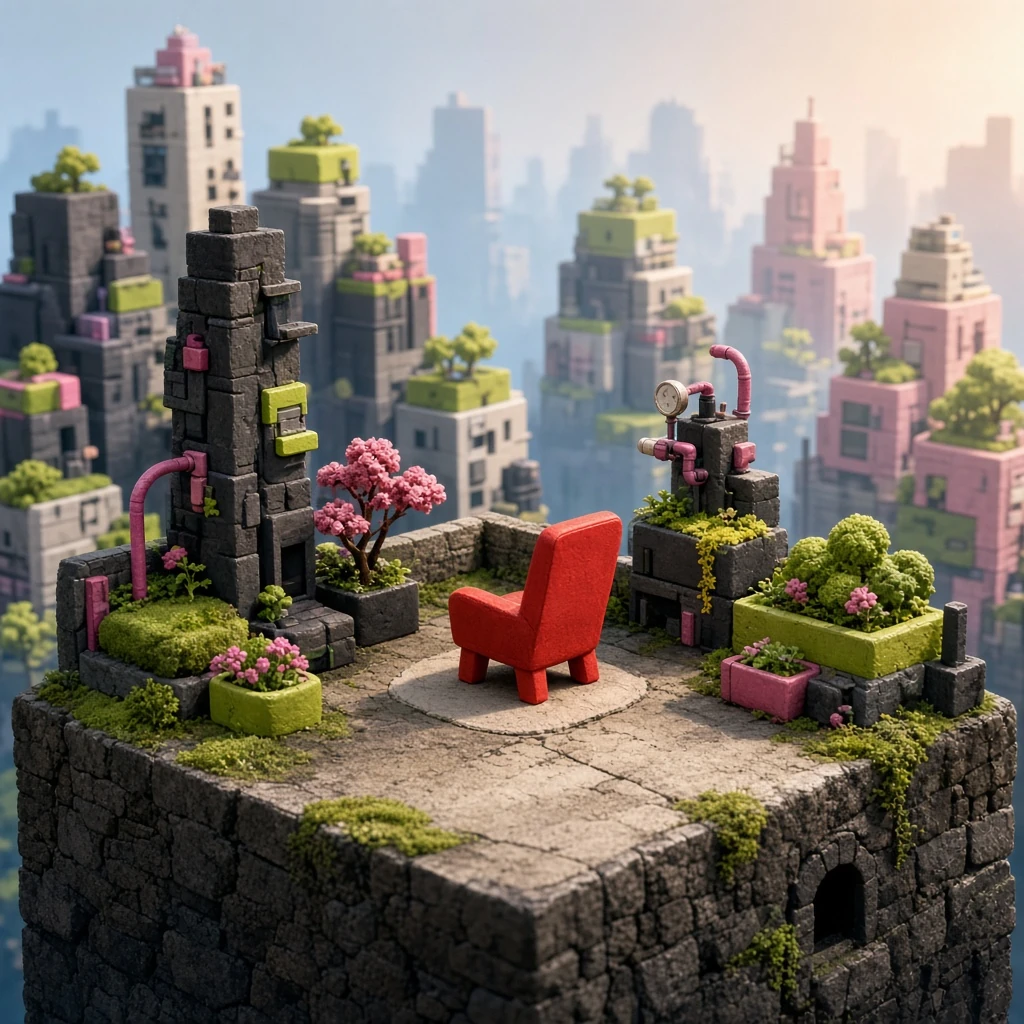
A rooftop was built for no reason beyond a red chair against the skyline. It had no collectible, mission, storefront, or explanatory plaque, yet players climbed to it and stayed long enough for the team to stop pretending it needed an excuse.
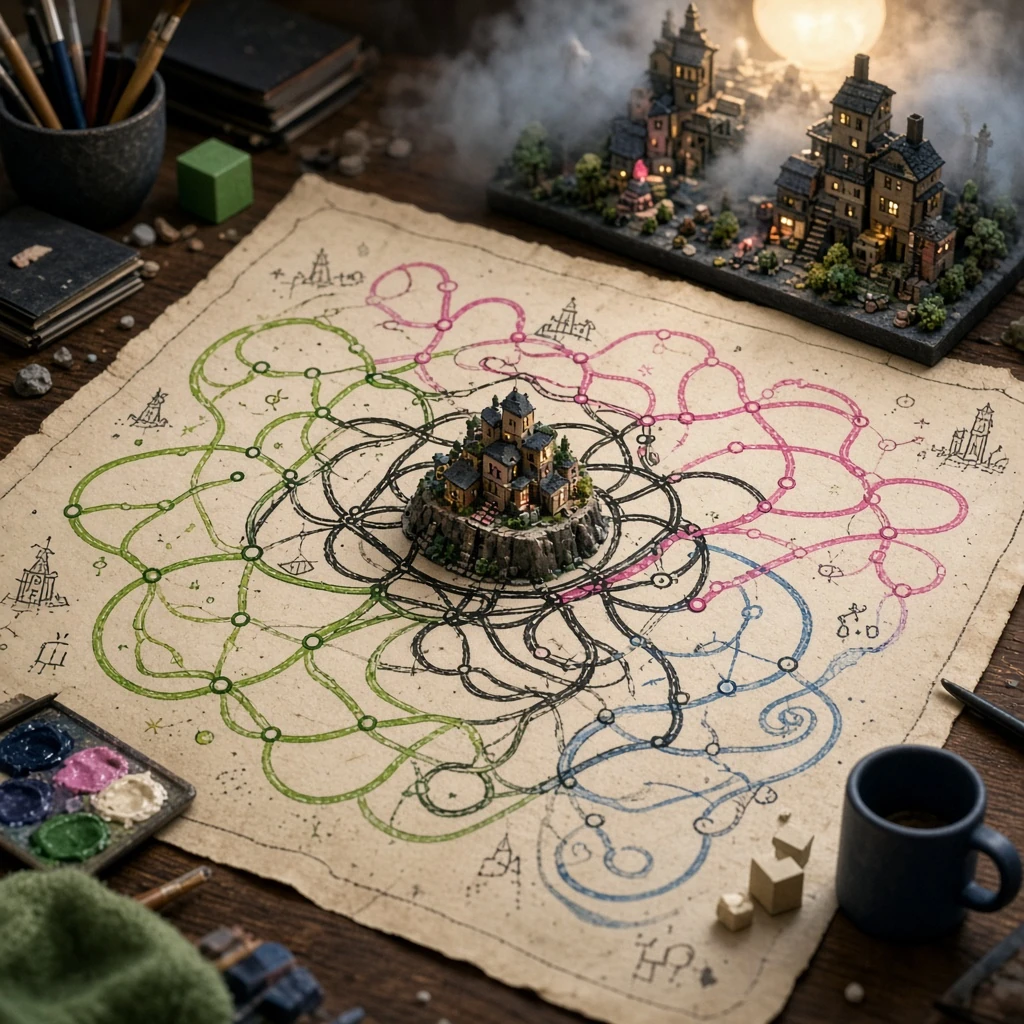
The first subway map was geographically impossible and dramatically excellent. Two stations occupied one street, a line doubled back without remorse, and a stop called Probably somehow conveyed more useful information than several real labels.
A white rabbit assigned to deliver a clue had more idle animations than the baker’s shop had floor area. It could check a watch, vanish, reappear sideways, sigh at the player, and consume enough memory to make the pastry case nervous.
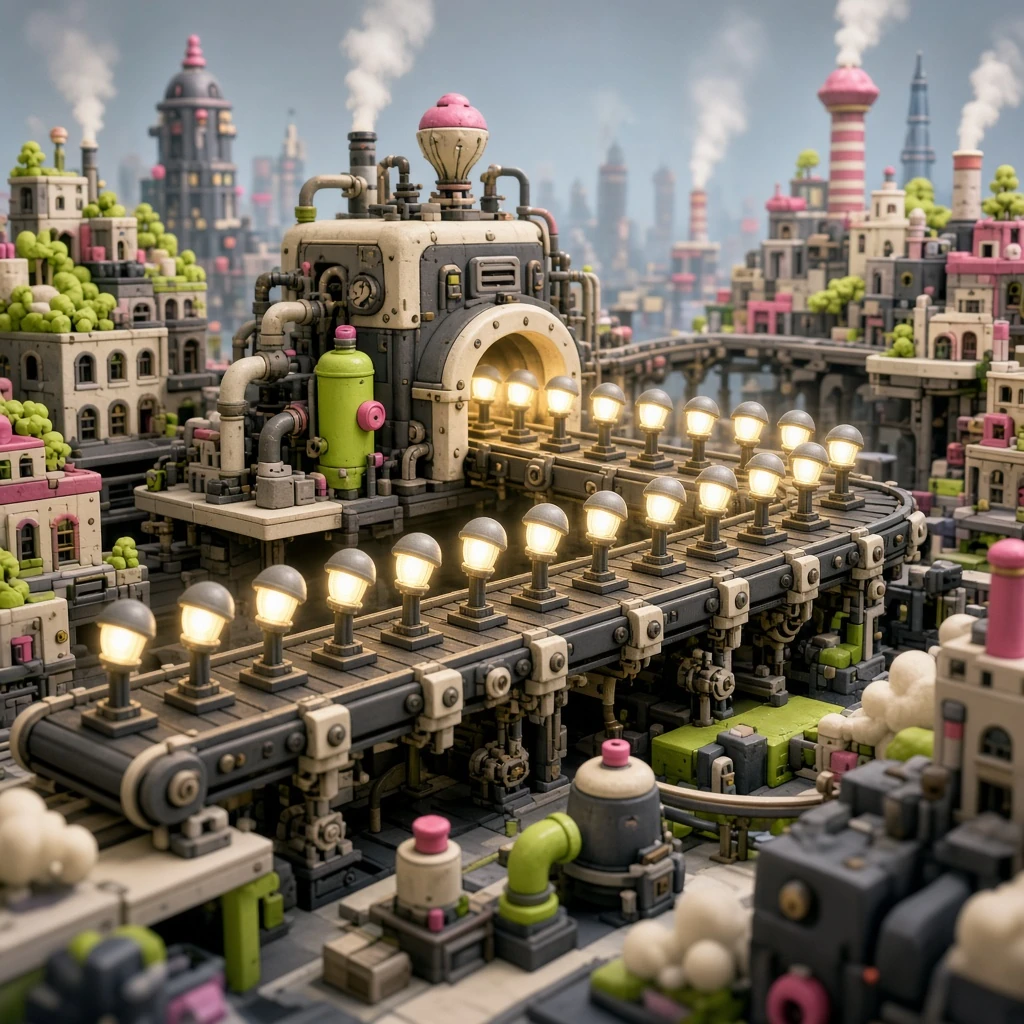
Streetlamps kept appearing in conspicuous clusters, so Midge built a factory to explain the surplus. It had a loading dock, a shift bell, and a safety poster reading DO NOT TEACH THE LAMPS ABOUT NIGHT, which management considered preventive clarity.
The pawn shop sign flashed in a pattern that looked so much like a distress signal that players began arriving with flashlights, questions, and a readiness to barter. The pattern was a typo with confidence, which is the most expensive kind.
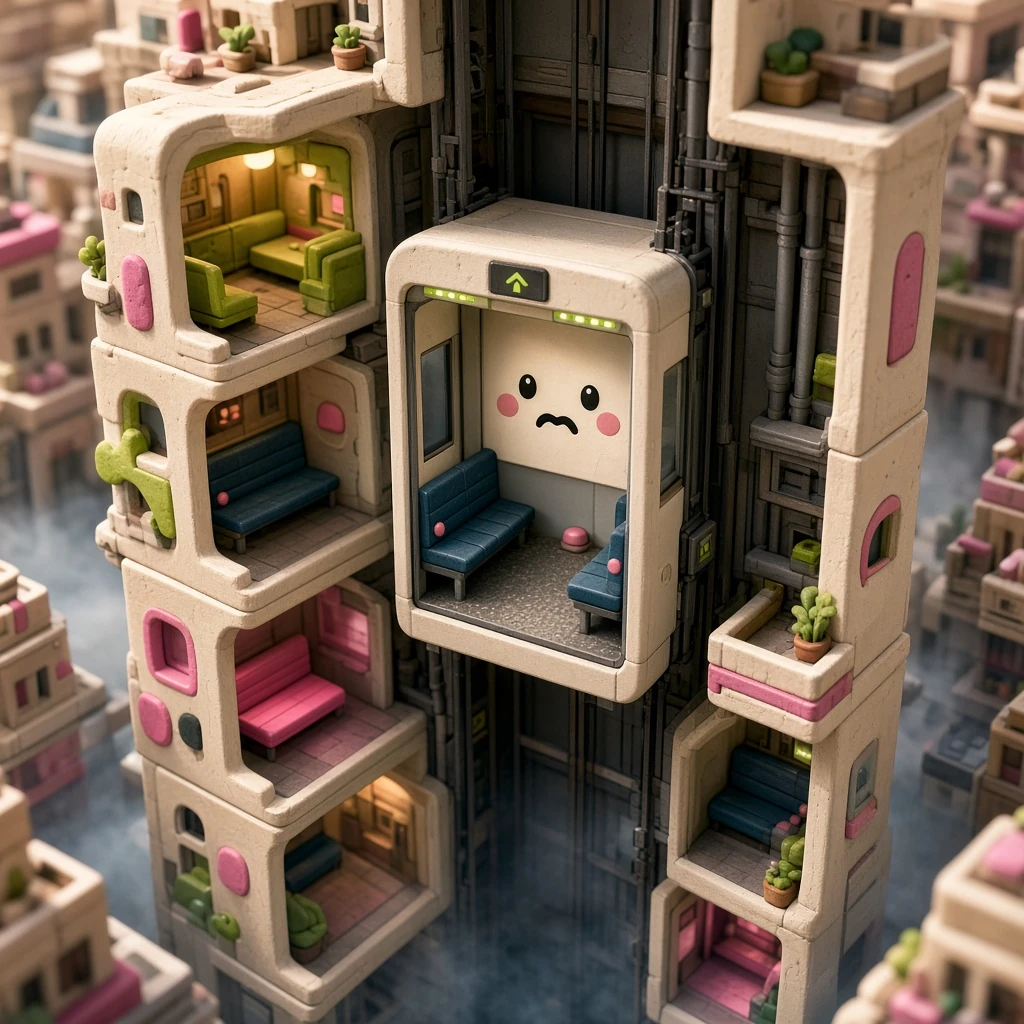
One elevator borrowed subway timing values and began operating with metropolitan confidence. Its doors chimed, it departed on schedule, and it stopped two floors below the basement, where a fluorescent void was waiting with no advertised amenities.
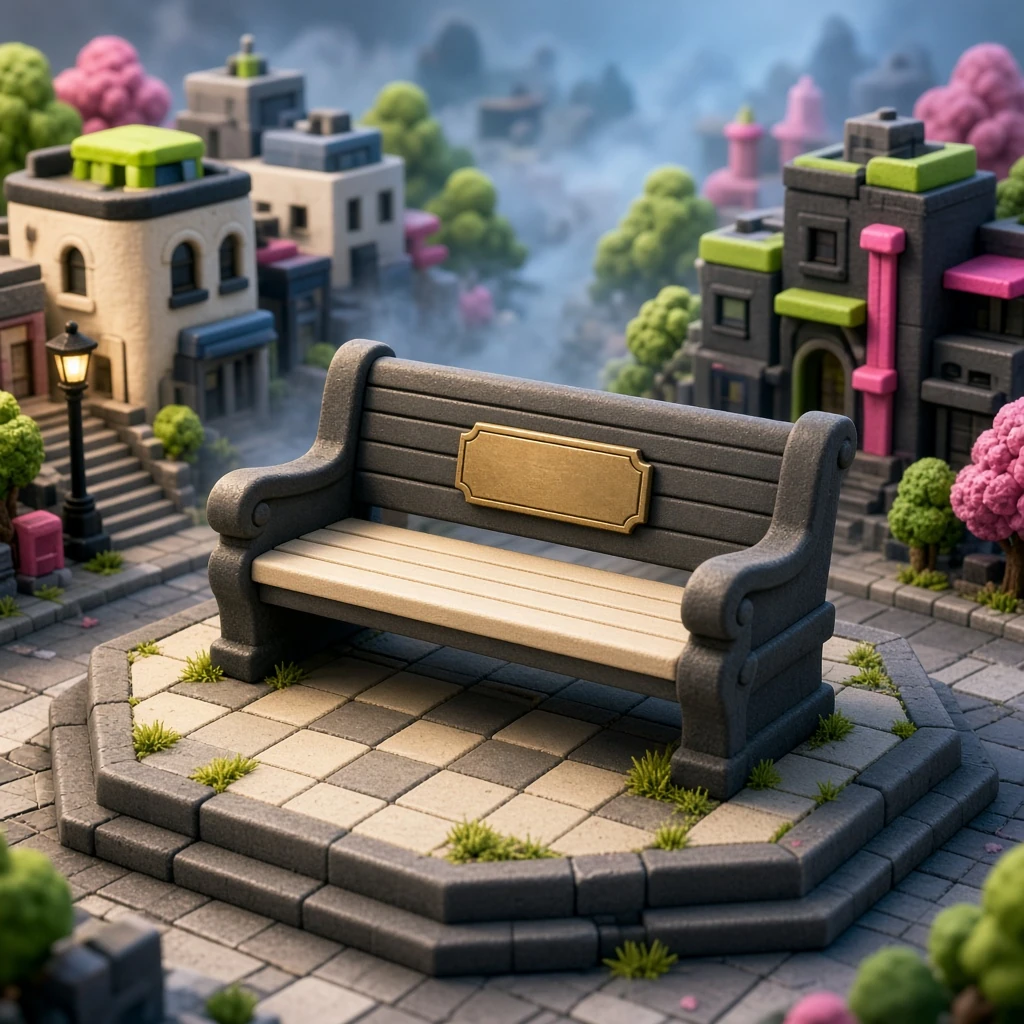
A bench sat so comfortably in afternoon light that characters abandoned their planned routes to occupy it. The sudden shortage of walkers prompted the Bench Review Board, which feared that public seating might trigger a citywide outbreak of reflection.
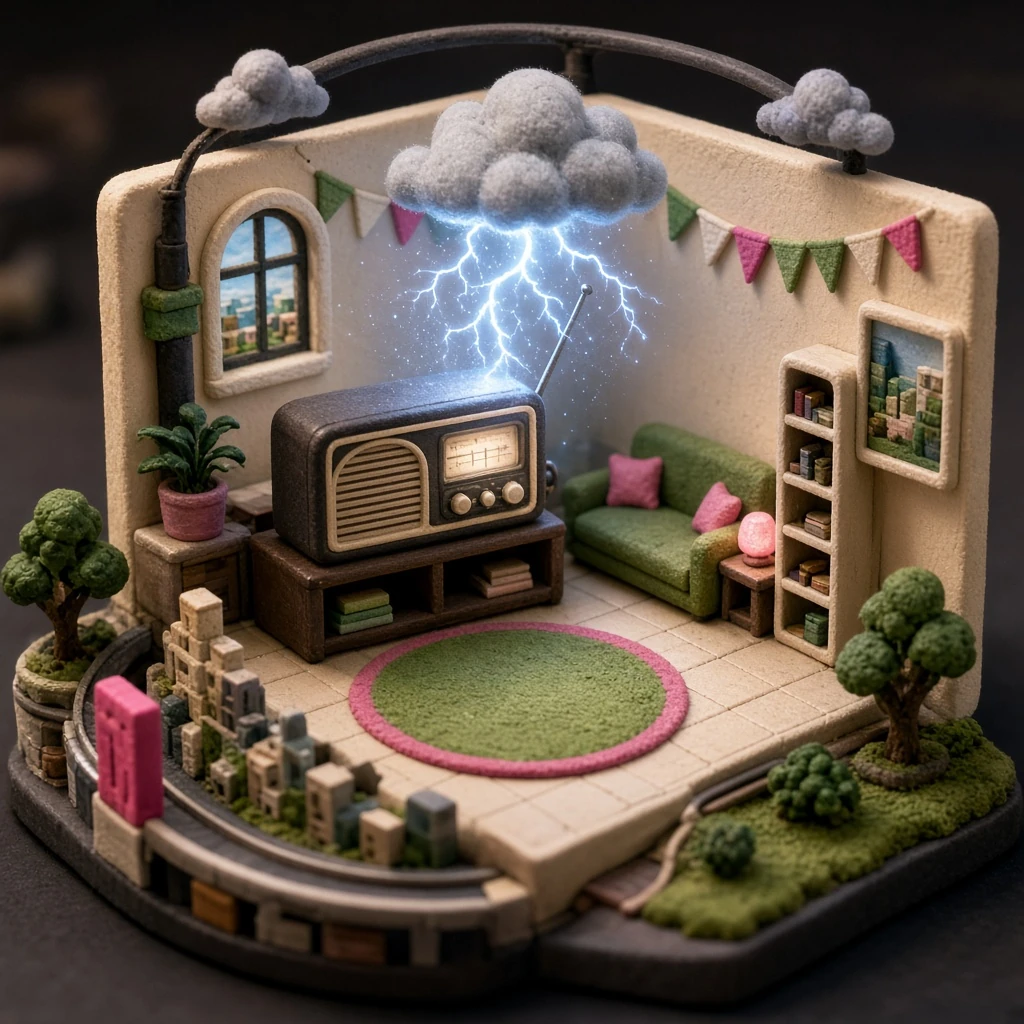
A local radio forecast announced light rain in the foyer and clearing skies over the microwave after a room tag leaked into the weather table. Testers began visiting apartments specifically to learn whether their kitchens would remain mostly cloudy.
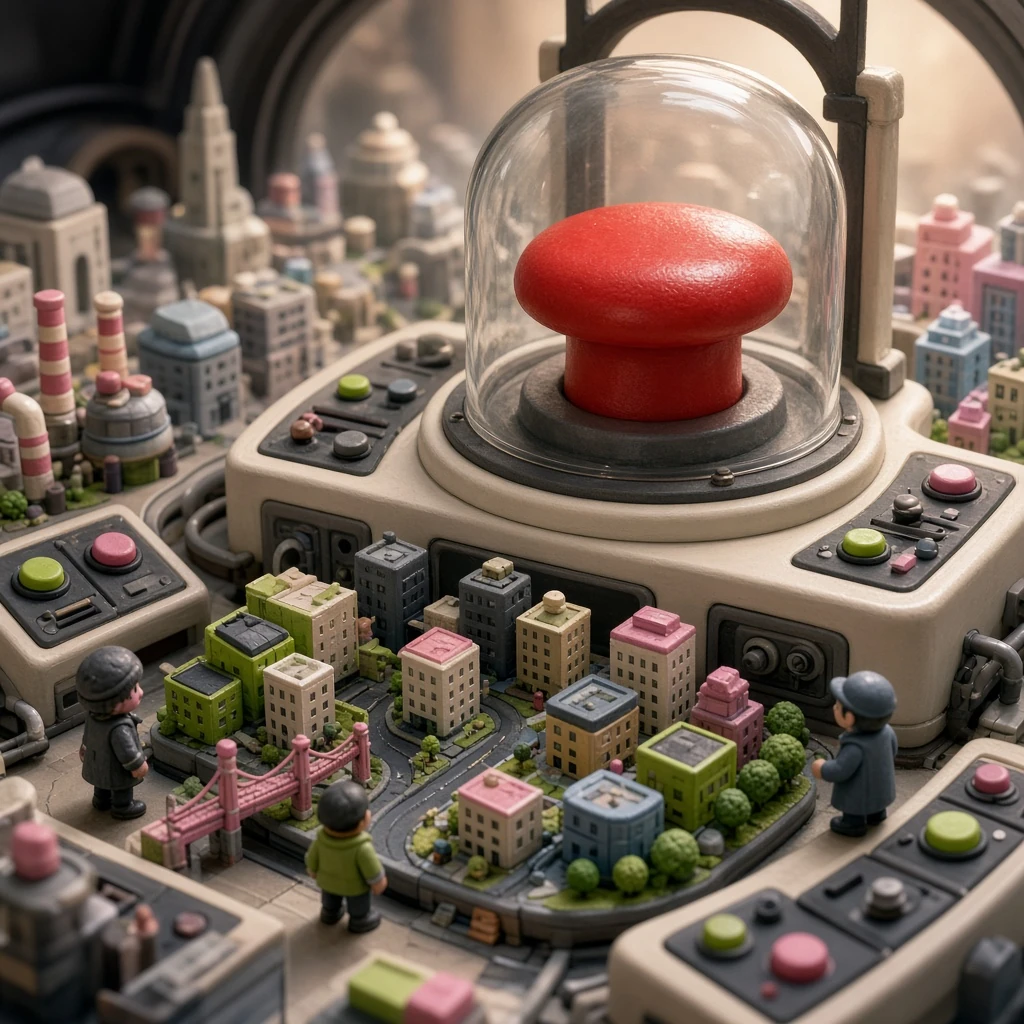
A debugging button teleported the player to the current objective, supplied the relevant tool, and played a fanfare with the confidence of a tiny government. It worked so well that the city began to feel like a corridor between applause breaks.
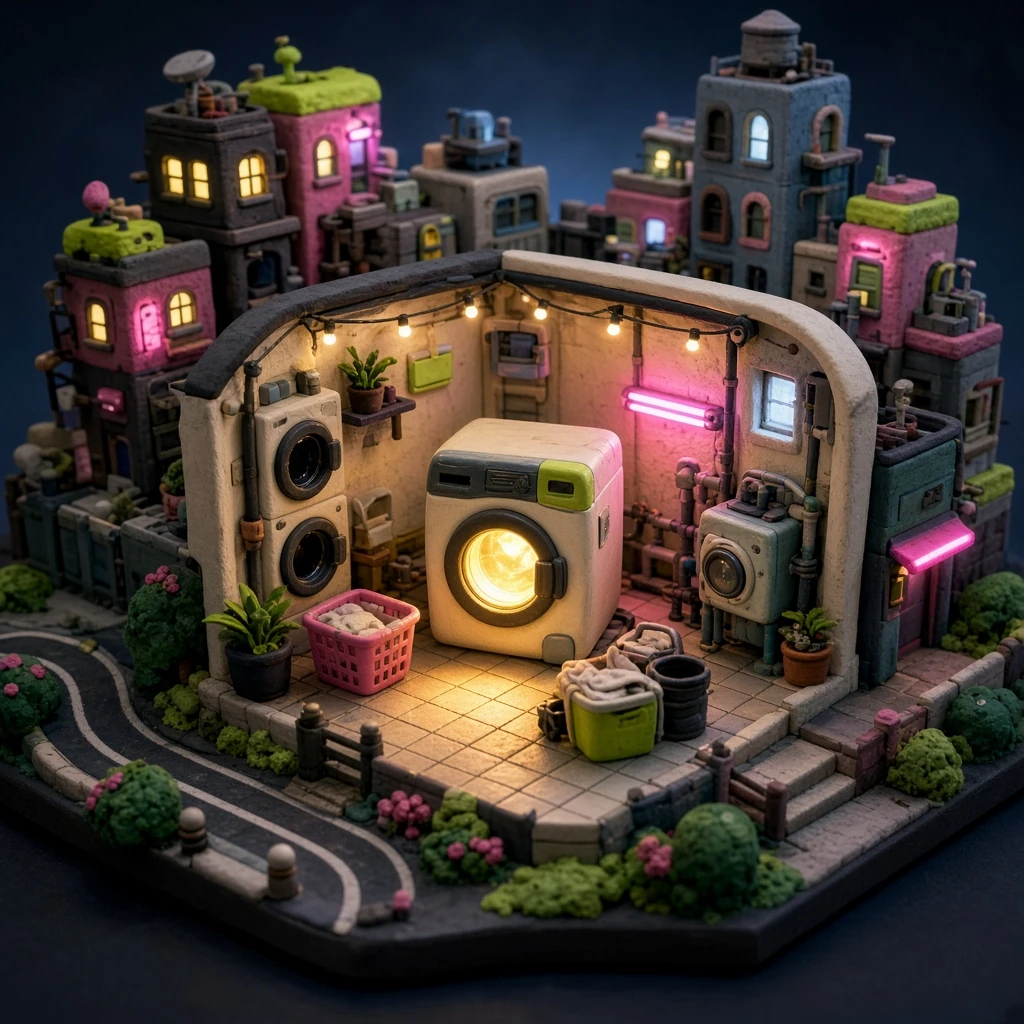
A stain on one laundromat texture resembled a municipal crest, and players promptly concluded that the building had once been city hall, a submarine, or both in difficult weather. The lore office, then two people and a kettle, was asked to intervene.
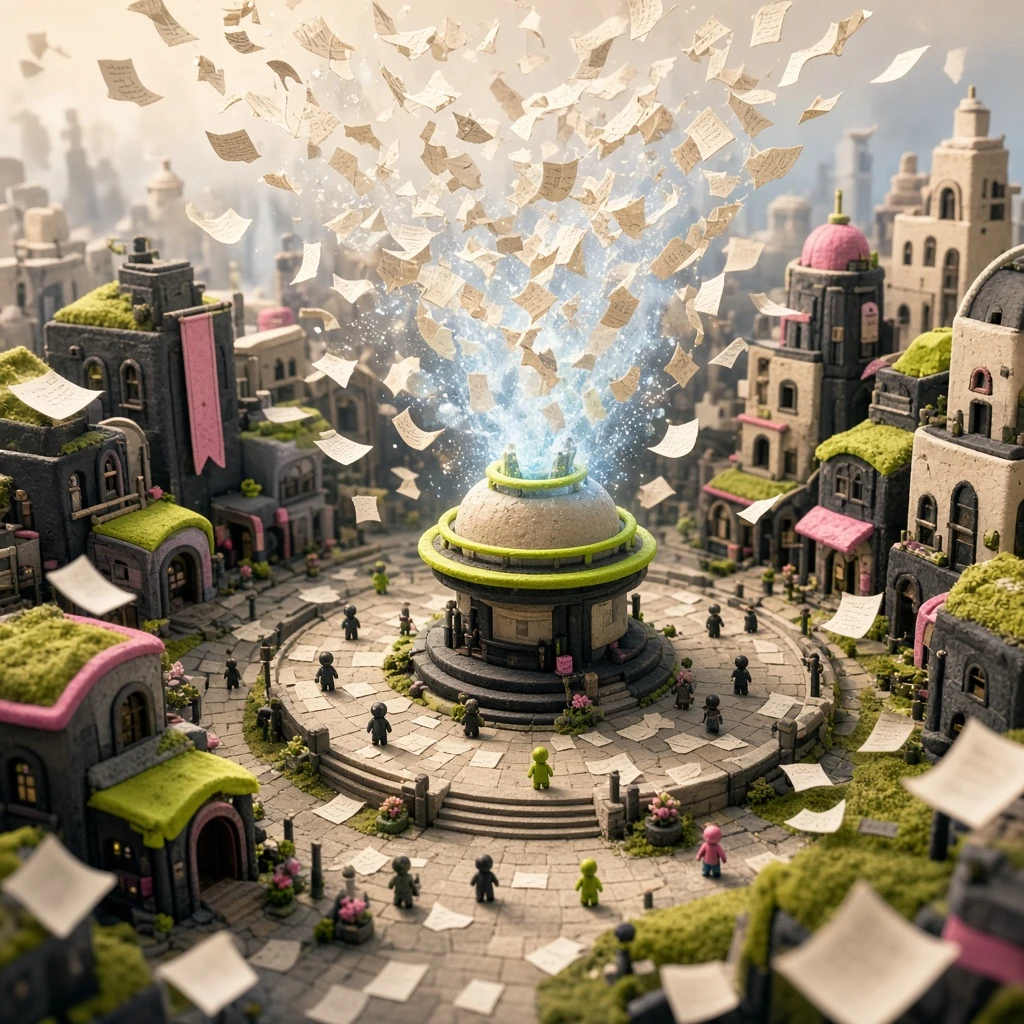
A particle system borrowed its material from a stack of permit forms and transformed the plaza into an afternoon of rotating applications. The frame rate objected, but the papers had such administrative majesty that nobody could deny the weather was filing correctly.
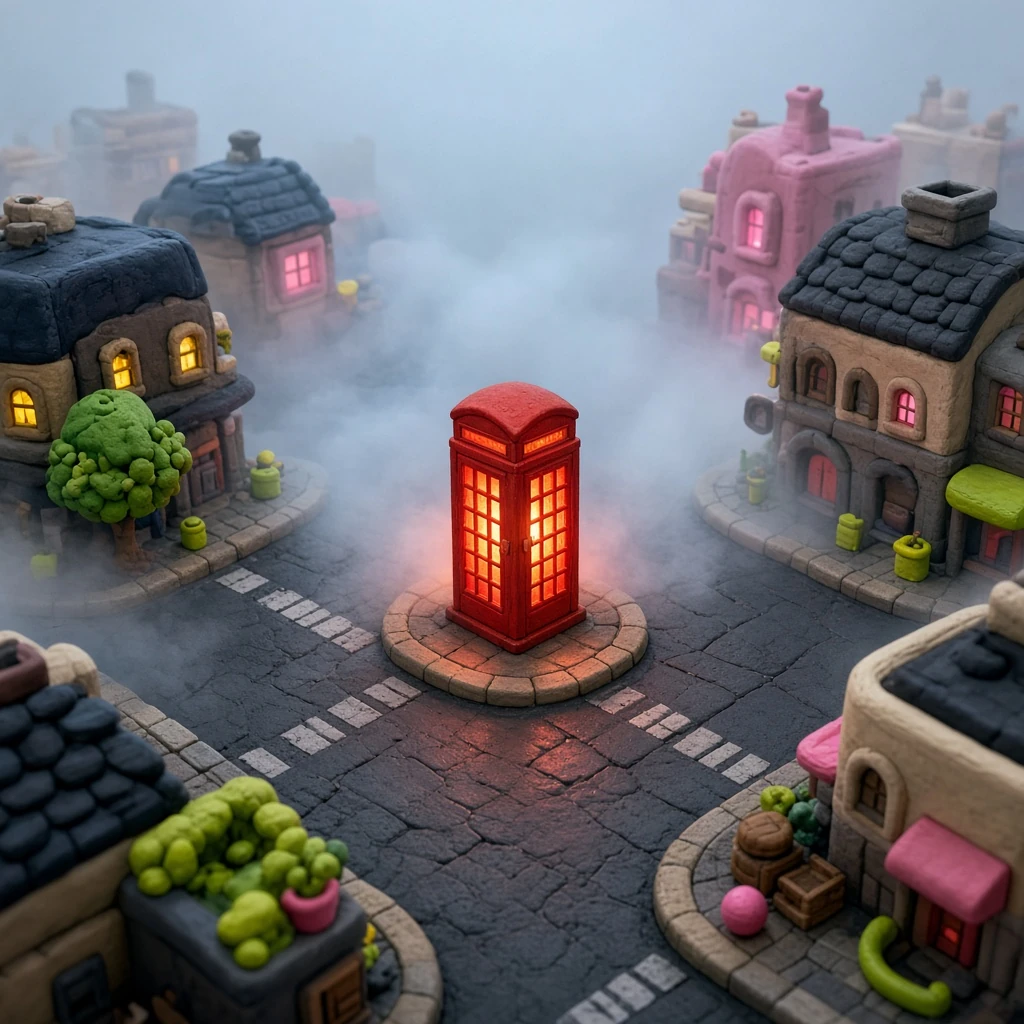
Early phone booths asked every passing player whether they wished to call someone. The city became a chorus of needy architecture, with furniture politely but relentlessly proposing conversation at every intersection.
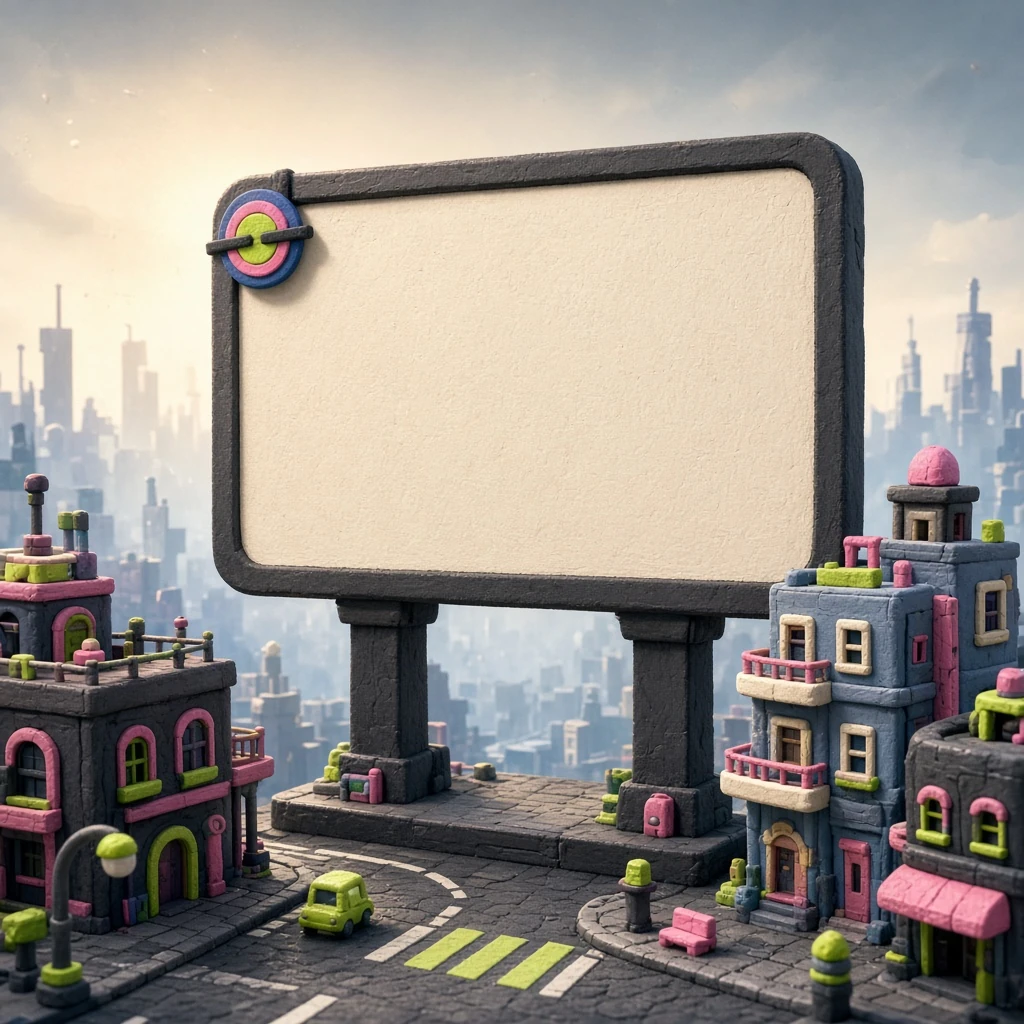
A billboard video froze on a raised fist for six hours and accumulated a fan club before anyone found the decoder stall. By dawn, the largest screen in the district had become an accidental labor leader with excellent posture and no prepared remarks.
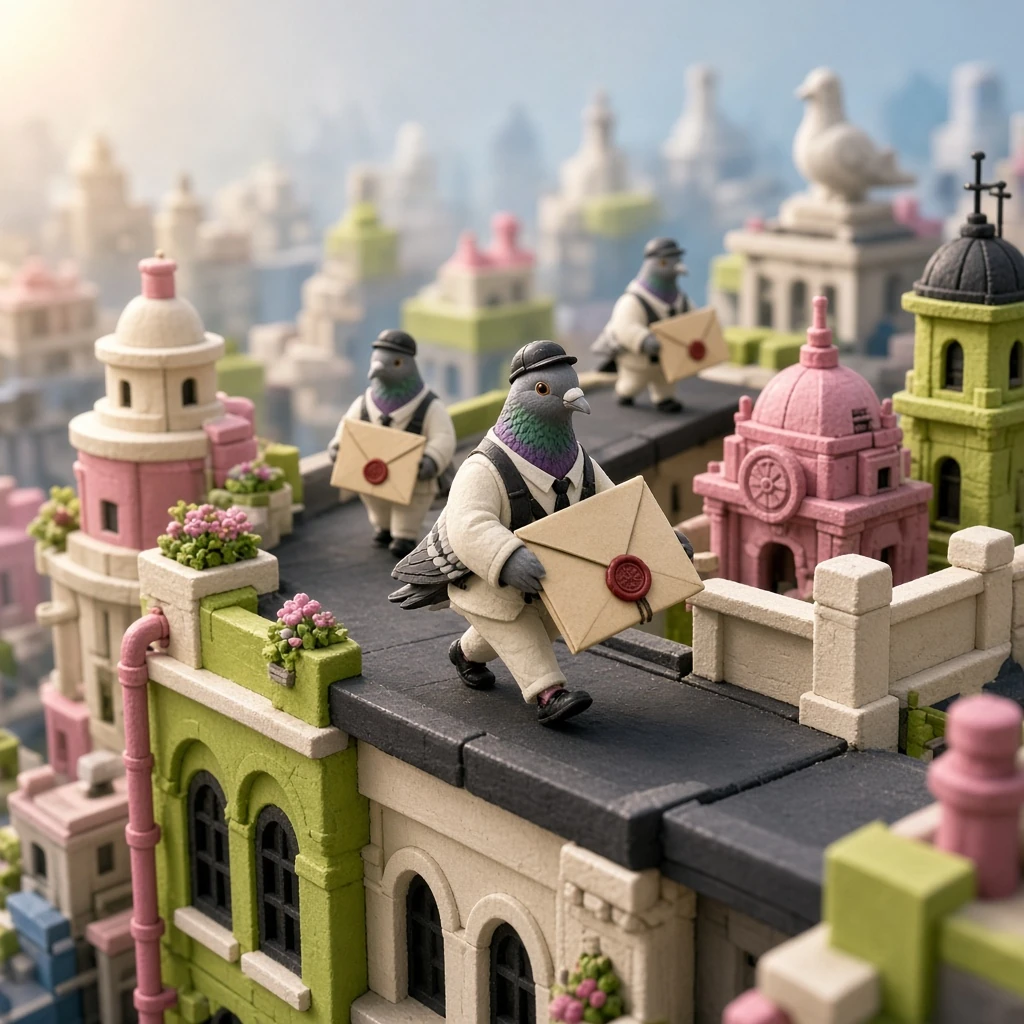
A rooftop flock received identical navigation targets and marched single file to one drainpipe, where it waited with the patience of birds who had consulted counsel. By noon, a complaint had been filed demanding less purpose and more crumbs.
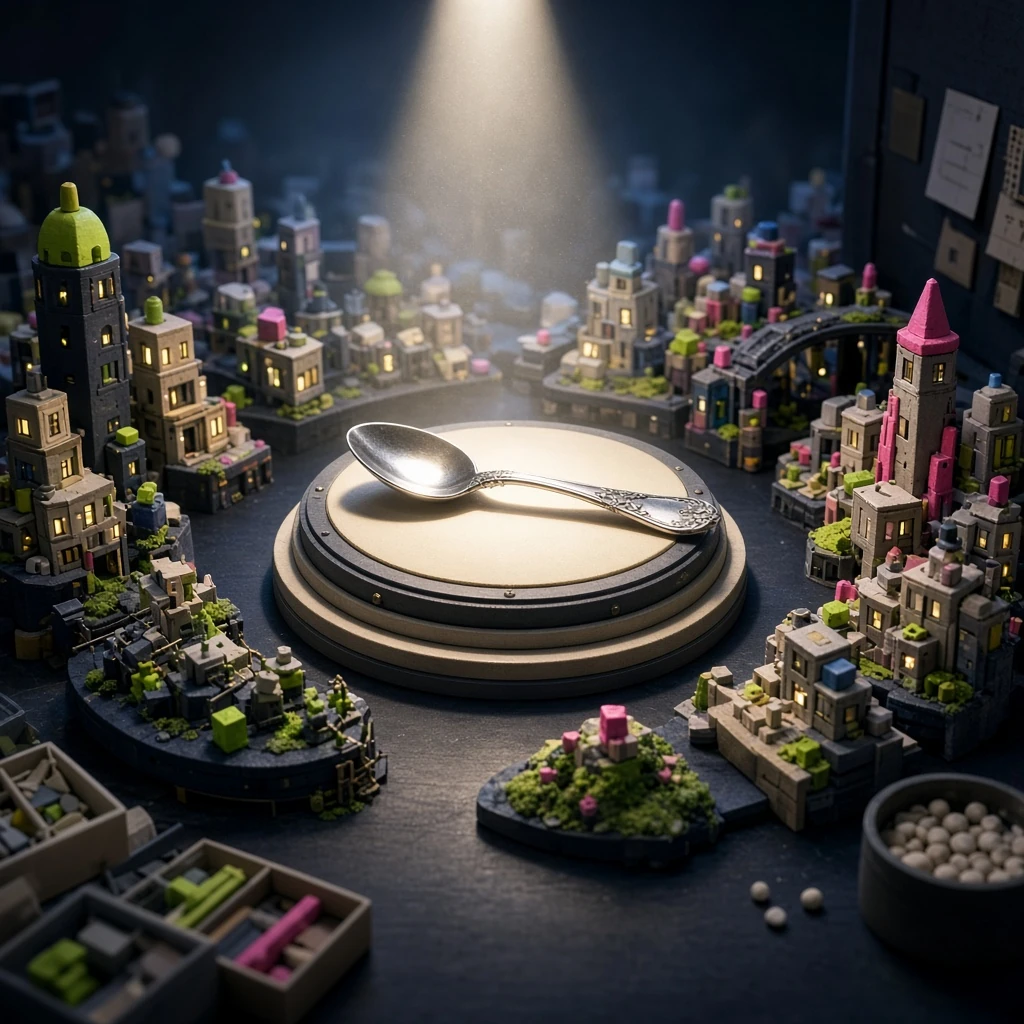
A spoon in one apartment could be picked up, sold, reclaimed from a drawer, and picked up again. By sunrise, a determined tester had established a twelve-cent shadow economy, a Spoon Integrity Unit, and a moral victory no chart could contain.
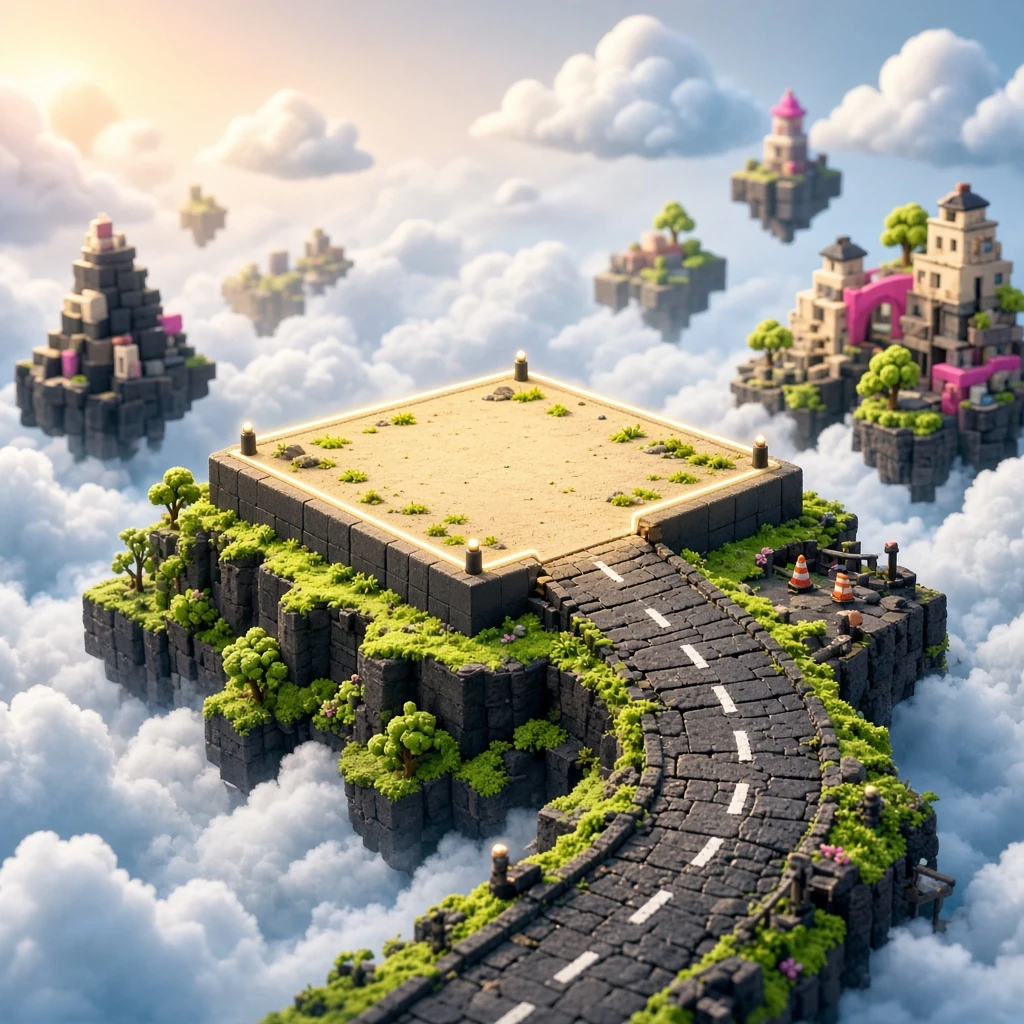
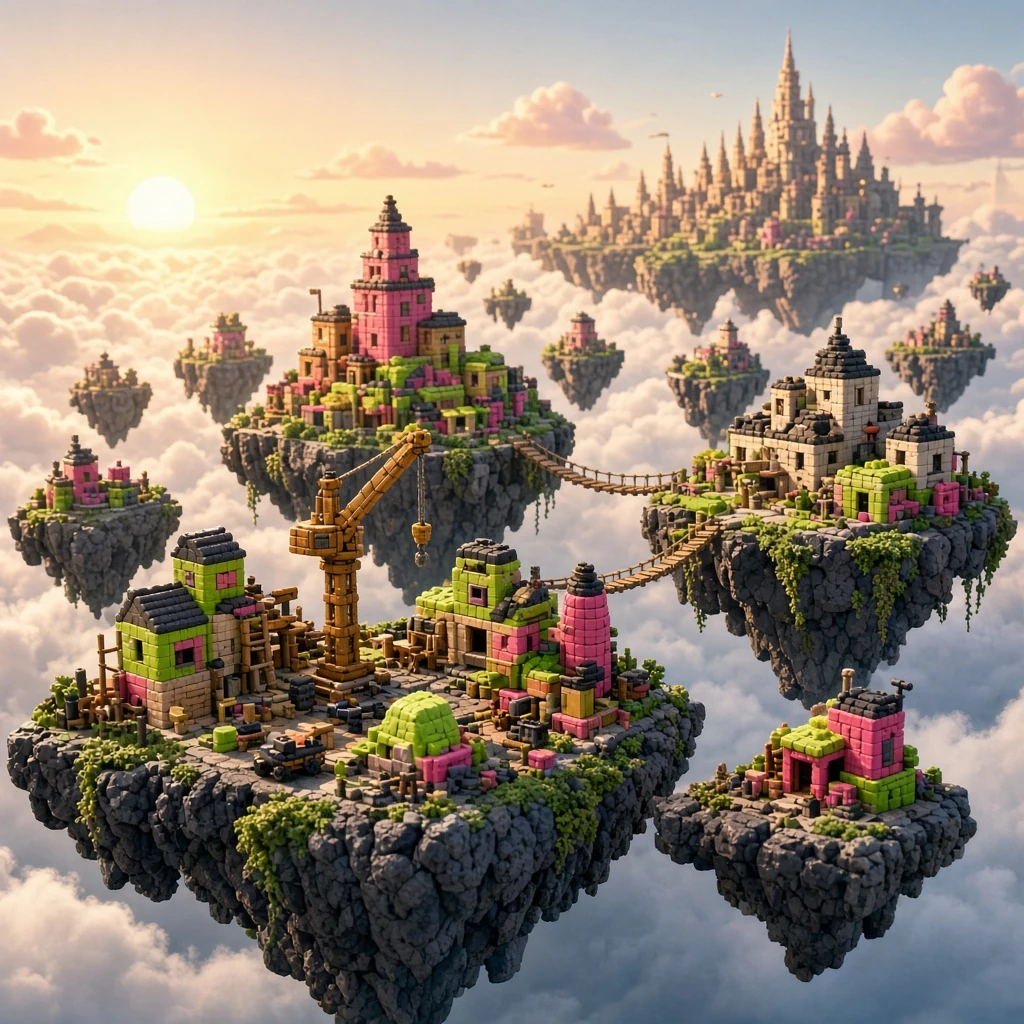
When the team asked what falling should reveal, Dr. Soot issued a memo stating that a player may fall long enough to understand gravity has a sense of humor, then return somewhere sensible. The clouds accepted the paperwork without comment.
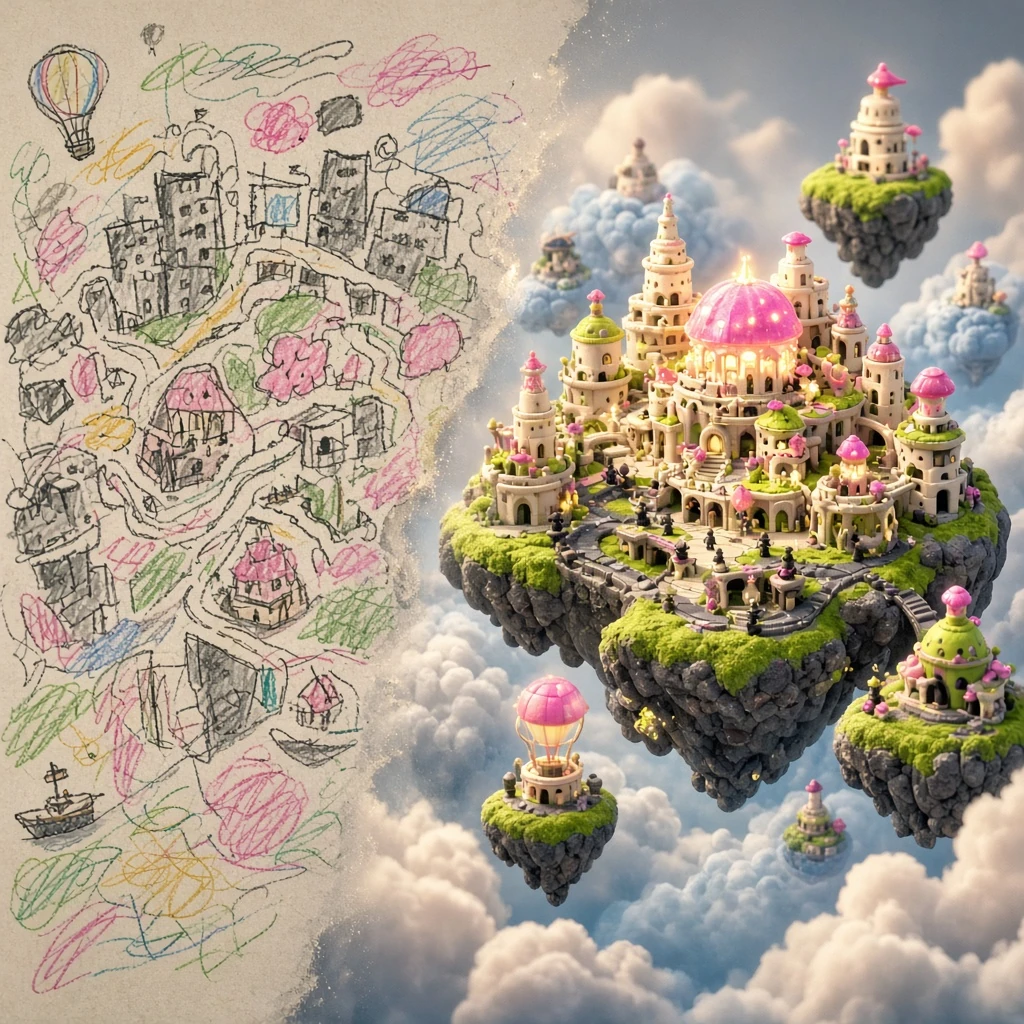
City Forge began as a crayon grid labeled ground, building, mysterious, and probably a bakery. It had no roads, no persistence, and a bakery hovering over a void with the serene confidence of a business plan that has never met gravity.
An experimental road tool allowed diagonals, crescents, and one line that was technically a spiral. It was expressive until every building entrance developed a small emotional crisis about where, precisely, the street had gone.
When every building option appeared at once, the editor resembled a supermarket aisle for architecture: forty roofs, fifteen lobby moods, and a chimney shaped like a question mark that had no known manufacturer.
A placed ground tile looked finished in the editor but failed to become a stable surface in the city. At its hearing, Harlan described it as emotionally committed but structurally freelance, which did not help the tile but did clarify the charge.
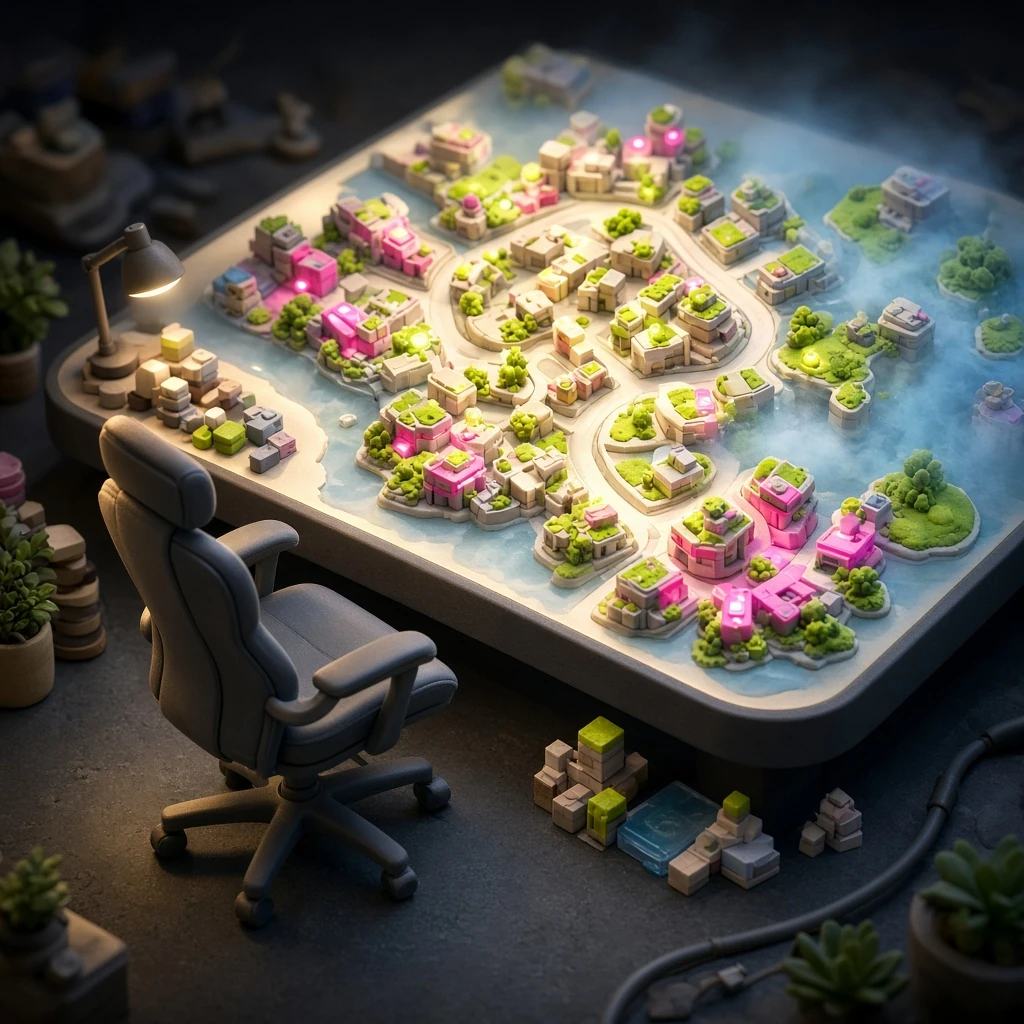
The map editor retained every abandoned road preview as if it were a treasured municipal record. After a long session, the planning view resembled a conspiracy desk at the end of a film nobody had budgeted to finish.
An autosave prototype wrote so eagerly that it tried to preserve a road while the player was still dragging it. The result was a cartographic stutter: a line, a correction, a line, an apology, and a goblin with entirely too much initiative.
For two weeks, every new building spawned with a flat roof, a pitched roof, and a hovering duplicate while the catalog resolved its identity. The skyline resembled a convention for indecisive hats held above a city that had not agreed to host it.
A builder once placed a bakery through a landmark staircase and called it revitalization. The preservation office called it an incident, then called it several other things after the oven door opened onto a historic handrail.
A boundary wall did its job so well that it made the outer city feel like a parking lot with mythology. Players walked into it, stared at it, named it Kevin, and began asking Kevin whether the horizon would ever receive a permit.
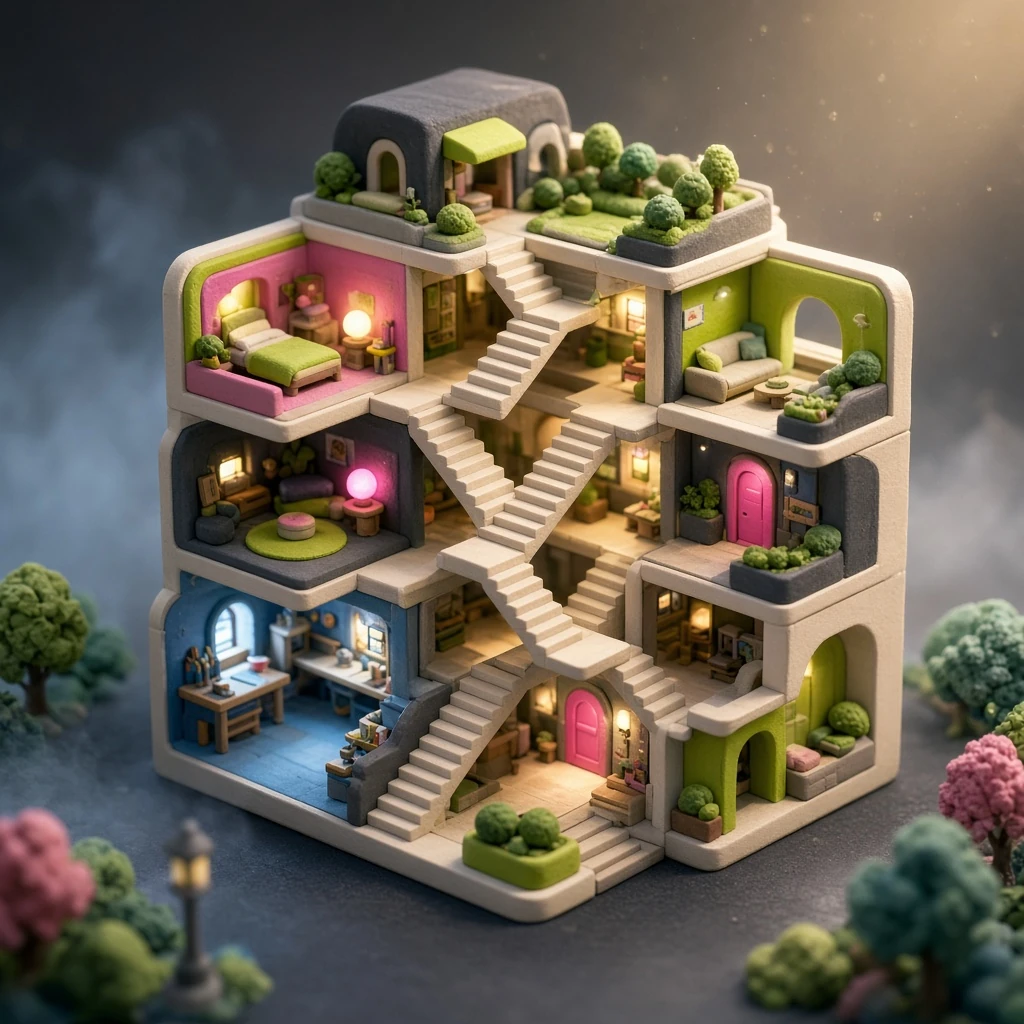
A procedural staircase had perfect collision and zero destination. It climbed, turned, climbed again, and stopped beneath a ceiling tile that had never agreed to this arrangement. The stairs were technically walkable and philosophically unemployed.
A citywide playlist experiment made every television show the same dramatic banana peel at the same moment. Five hundred screens synchronized into one accidental festival, and the city briefly resembled a very determined public-service announcement.
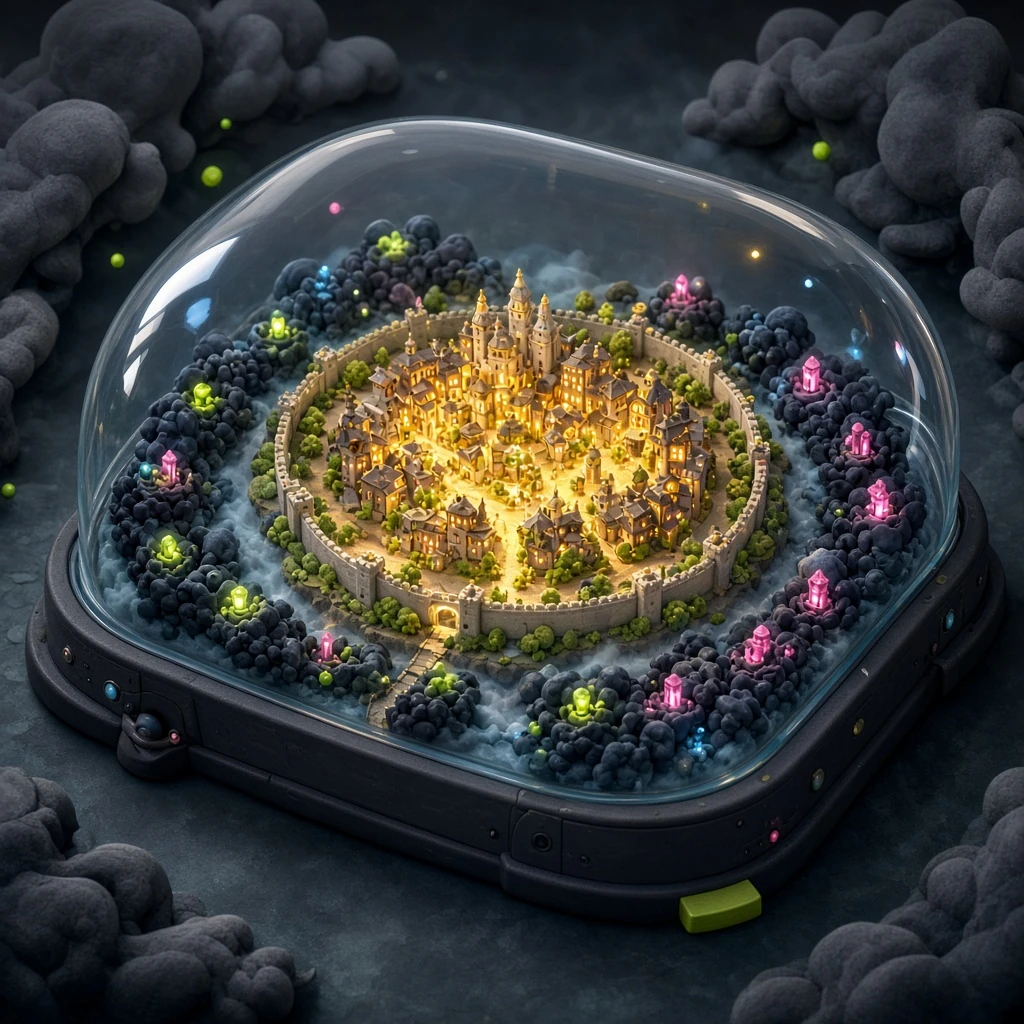
A maintenance worker’s route rose high enough to intersect the sky dome, placing him beneath a private moon with a broom, a cart, and the unmistakable expression of someone who had finally been assigned an adequate break room.
A weather setting made fog denser whenever a player completed a job. Success became a visibility problem. By job seven, the city looked as though it had misplaced its own oxygen and was searching for it behind a pink curtain.
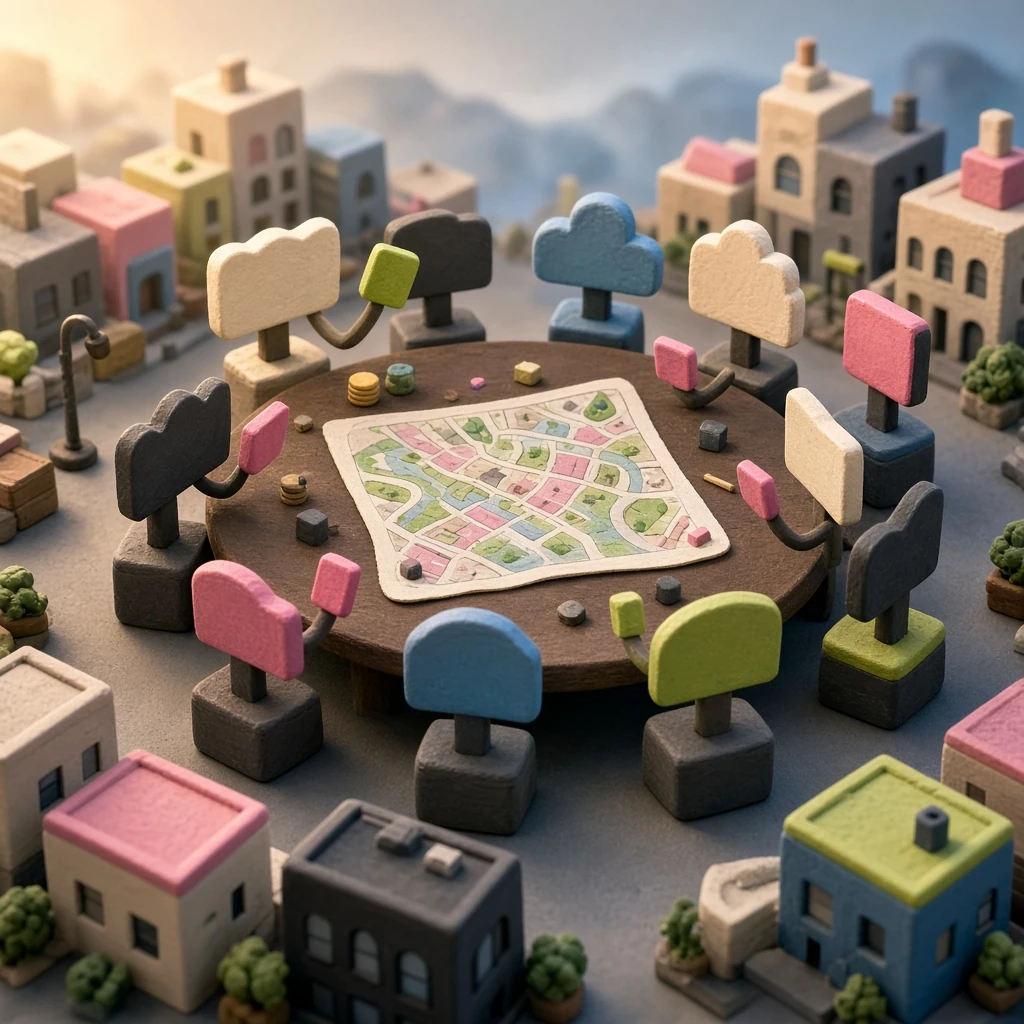
The map editor did not literally receive a chair, but it stopped standing over the player with every option at once. Before the change, the interface had the posture of a flight deck trying to sell a neighborhood.
A lot tool once allowed buildings to appear in open sky, miles from a street, with lobbies facing the sunset and no door anyone could reach. The properties were architecturally brave, practically rude, and advertised impossible access with confidence.
A texture artist labeled one pipe emotional water. The label reached a build, then screenshots, then an internal hearing on whether plumbing can have a character arc. The pipe remained silent, which several people considered evasive.
At one point every interior window lit up at once. The skyline looked prosperous, sleepless, and deeply suspicious, while the actual landmarks disappeared inside a wall of yellow rectangles with the mood of a very organized insomnia.
A placeholder naming machine combined adjectives and nouns with no adult supervision. It produced Tender Fortress, Department of Soup, and an apartment block simply called Rectangle, each of which quickly acquired a constituency.
A cloud texture beneath the Sprawl accidentally received collision. Players landed on it, walked around, and discovered a broad featureless parking lot with excellent weather, no exits, and an alarming amount of confidence in its own legality.
A radio assignment seeded every room from the same starting value, so eleven kitchens began the identical chorus at the exact same millisecond. The city sounded like an advertisement for living in a simulation, which was not the intended campaign.
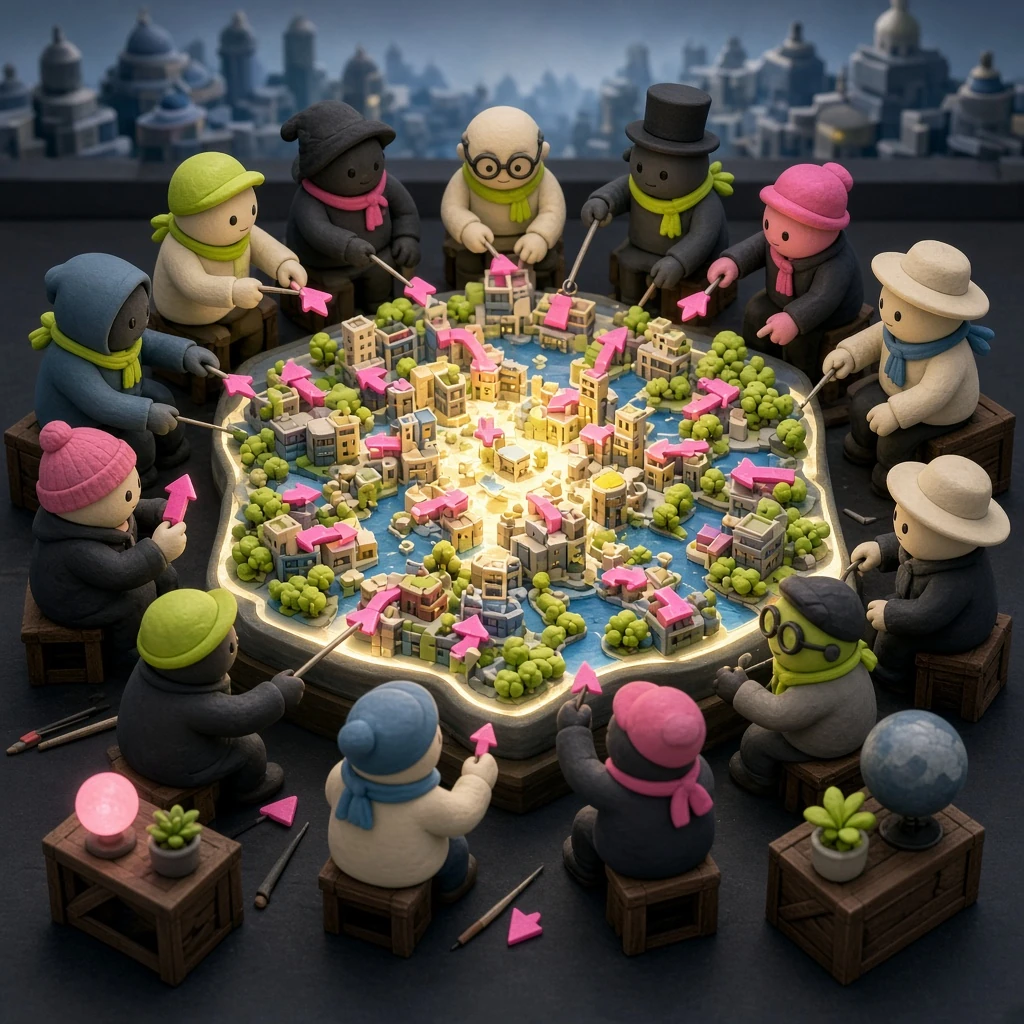
The team tried to solve wayfinding by adding arrows, then added arrows to the arrows, a legend for the arrows, and a small arrow explaining the legend. The city became comprehensible only to migratory birds and one very patient pigeon.
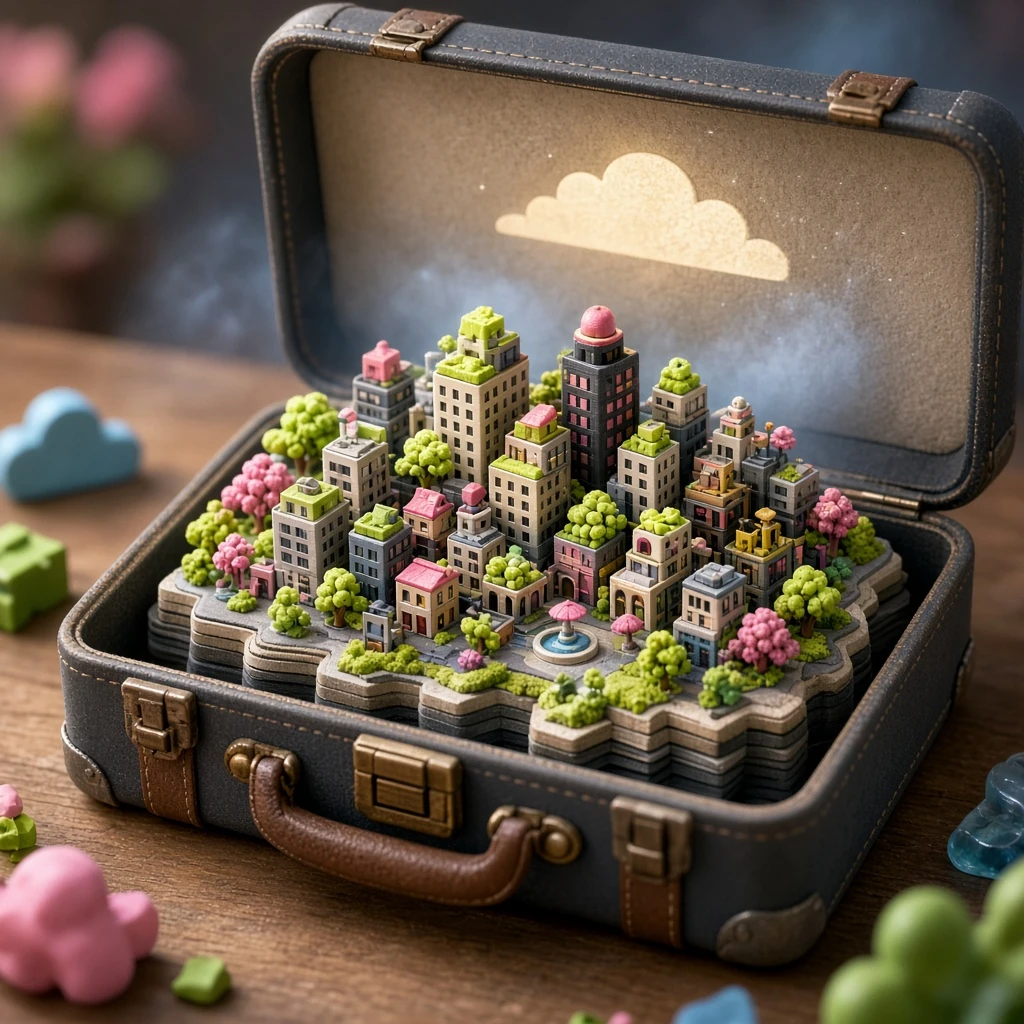
Early generated buildings had dramatic facades and interiors packed like suitcases during a thunderstorm. Doors met closets, lifts opened into walls, and a dining table guarded a fire exit with the steadfastness of furniture that had seen too much.
The team staged one complete block from ground to street to lot to building to life and watched it like a rehearsal. Every missing link revealed itself promptly: a tile without collision, a door without an entrance, a service with nowhere to stand.
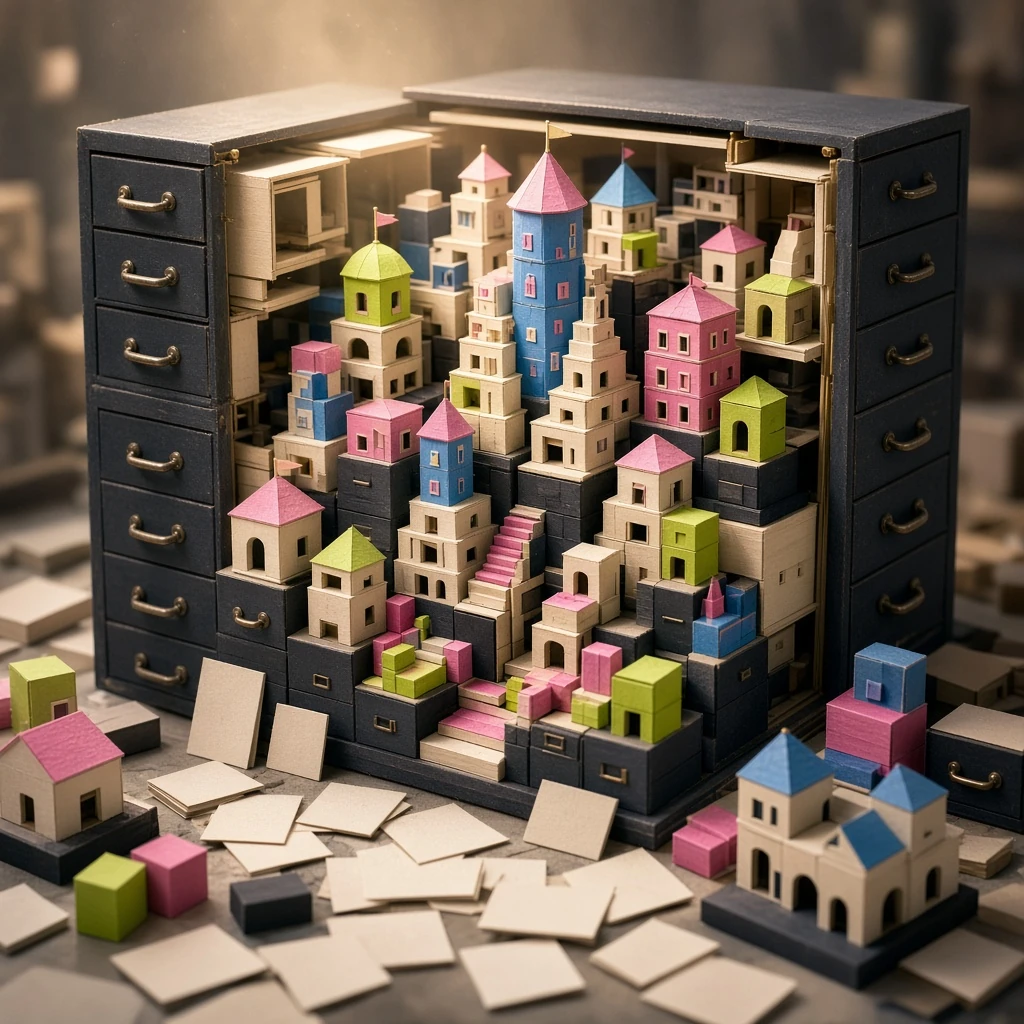
During a performance review, the city was asked why it carried every distant street, screen, and thought into every room. It replied by opening seventeen invisible drawers, an answer that was technically expressive and operationally rejected.
The studio stopped asking phones to carry a streamed 3D city, heavy media, and a browser-sized graphics heap while pretending this was a casual favor. The resulting policy was less a rejection than a small act of municipal honesty.
This report is not a curtain call. It is a note on the site door, pinned there by a team that has spent years arguing lovingly about ground, doors, clouds, screens, maps, lamps, pigeons, and the dignity of a square of pavement.